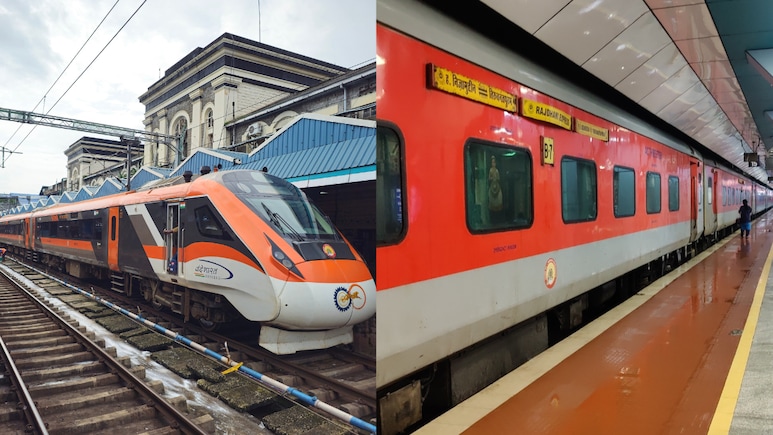
For decades, Rajdhani Express has been one of India's most recognisable premium train services. It became synonymous with long-distance travel between Delhi and other major cities, especially for passengers taking overnight journeys.
Vande Bharat arrived much later, with a different proposition. It was built for faster intercity travel, with air-conditioned seating and shorter journey times on several routes.
Now, with Vande Bharat Sleeper also entering service, the gap between the two is getting smaller. So how different are they really?
How Rajdhani And Vande Bharat Started
Rajdhani came first, by several decades. The first Rajdhani Express was introduced in 1969, connecting New Delhi with Howrah. It covered around 1,450 km and took about 17 hours and 20 minutes on its inaugural journey.
The name comes from the Sanskrit word Rajdhani, meaning capital. The idea was to connect New Delhi with major cities and state capitals through a premium, faster service.
Vande Bharat is much newer. The first commercial Vande Bharat service began in February 2019 between New Delhi and Varanasi. The 759-km journey was scheduled to take about eight hours. The train was initially known as Train 18 during development.
Speed: Which Train Is Faster?
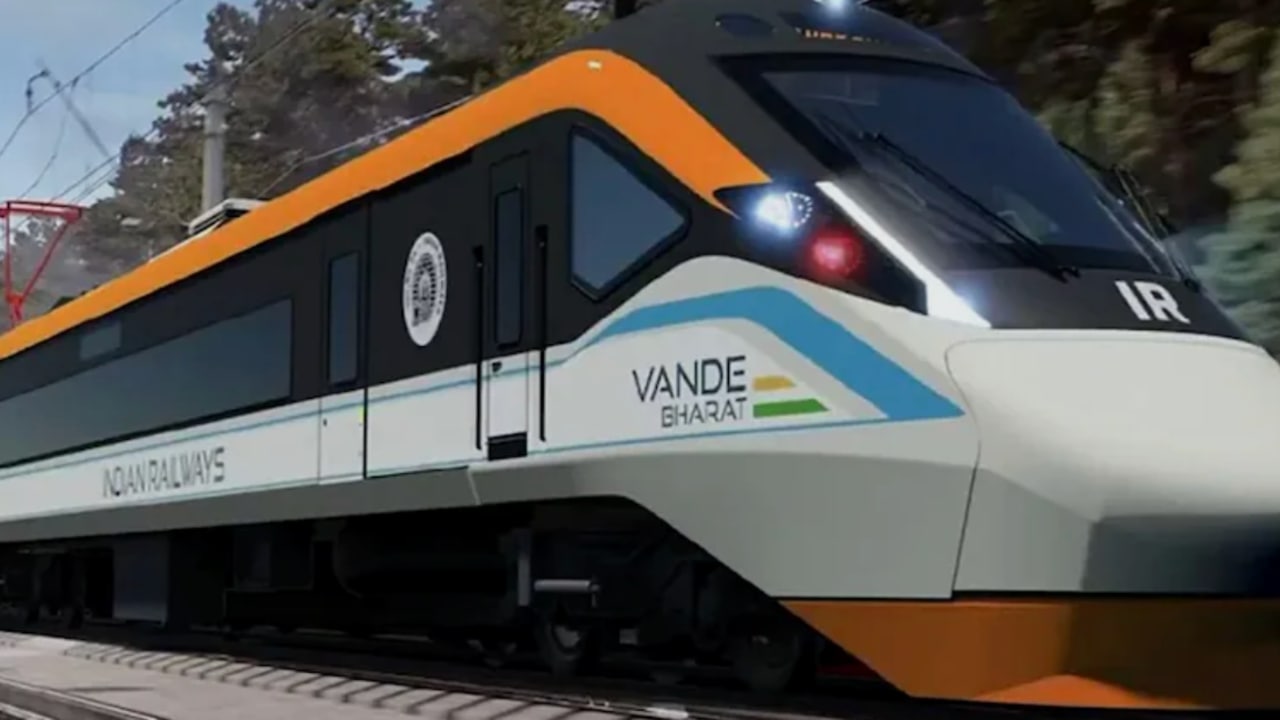
Photo: NDTV
A standard Vande Bharat is designed mainly for daytime intercity travel. It has air-conditioned chair-car accommodation, with Executive Chair Car offering a more premium seating option.
Rajdhani is built around longer journeys, including overnight travel. Its traditional classes are First AC, Second AC and Third AC. Passengers can board in the evening, have dinner, sleep in their berths and reach their destination the next morning.
The difference becomes clearer when you look at their operating speeds.
Vande Bharat can operate at up to 160 kmph on eligible sections. The maximum operational speed is currently achieved on certain services on the Tughlakabad-Agra section. During trials, Vande Bharat trainsets reached speeds of up to 183 kmph.
That does not mean the train runs at 160 kmph throughout a journey. Actual travel time depends on the route, track conditions, speed restrictions, traffic, stations and the number of halts.
Rajdhani services generally have a maximum operational speed of around 130 kmph, although the actual average speed varies from one route to another.
Also Read: IRCTC Users Face Booking Trouble As 'Unable To Process Request' Error Floods Social Media
Designed For Different Journeys
There is no fixed distance for either service.
Vande Bharat routes generally focus on intercity journeys that can be completed within about 10 hours. Many cover a few hundred kilometres. The first New Delhi-Varanasi service, for instance, covered 759 km.
Rajdhani was created for longer-distance connections between New Delhi and major cities. The original New Delhi-Howrah service covered around 1,450 km.
For a traveller, that difference is fairly simple. A standard Vande Bharat is suited to a same-day journey where you remain in your seat. Rajdhani makes more sense when the distance is long enough to warrant an overnight trip.
Seats vs Sleeping Berths
Standard Vande Bharat services have two main classes.
Chair Car is the standard air-conditioned seating class, with reclining seats and the amenities associated with the Vande Bharat trainset.
Executive Chair Car is the more premium option. The seats are more spacious, and some trainsets have rotating seats.
There are no traditional sleeping berths on these standard chair-car Vande Bharat services.
Rajdhani has three traditional AC accommodation classes:
- First AC offers the highest level of privacy, with cabins and coupes on specific trains.
- Second AC has two-tier sleeping accommodation.
- Third AC has three-tier sleeping accommodation.
This remains one of Rajdhani's biggest practical advantages for long journeys. You can sleep instead of spending the entire trip in a seat.
That is changing with the arrival of Vande Bharat Sleeper. The dedicated sleeper trainsets have 16 air-conditioned sleeper coaches and are designed for long-distance travel.
So Vande Bharat is no longer limited to daytime chair-car journeys.
Also Read: Video: Pilot Flies 7-Month-Old Son For The First Time, Says Baby Is On His "Best Behaviour"
Food On Board
Food is another part of the premium train experience, although the menu is not the same across every service.
On Vande Bharat, catering is managed through IRCTC arrangements. Depending on the journey and departure time, passengers can receive tea, breakfast, lunch, dinner and evening snacks.
The food can include poha, upma, paratha, sandwiches, cutlets, paneer dishes, dal, chicken preparations, roti, rice, desserts and beverages. Executive Chair Car passengers can also receive some additional items on certain services.
Catering can be optional on several Vande Bharat services. Where the option is available during booking, passengers who do not want a meal can opt out. Menus also vary according to the route and region.
Rajdhani has traditionally had a more extensive catering schedule, partly because many of its journeys are much longer. Depending on the route and timings, passengers may be served morning tea, breakfast, lunch, evening snacks and dinner.
The menu can include Indian breakfast options, rice, dal, vegetables, roti or paratha, vegetarian and non-vegetarian dishes, desserts, tea and other beverages. First AC passengers may also receive additional items such as soup.
Coach Features And Passenger Comfort
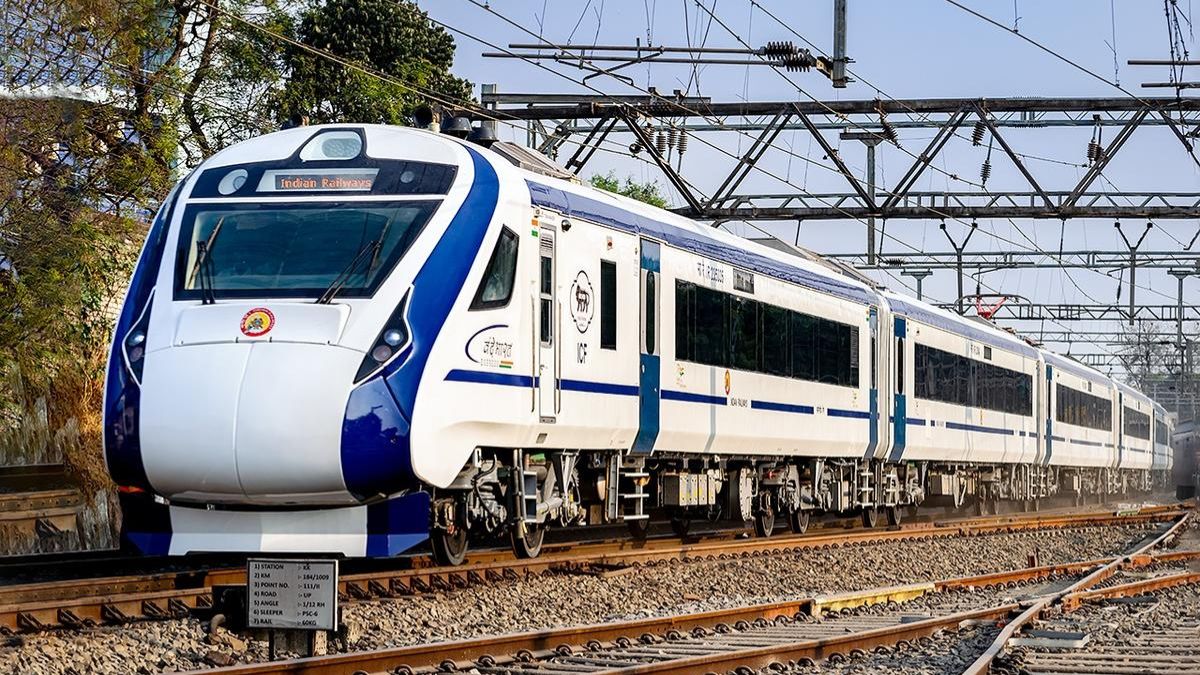
Vande Bharat was introduced as a newer generation of Indian train, with features such as automatic doors, improved seating, GPS-based passenger information, CCTV, charging points and bio-vacuum toilets.
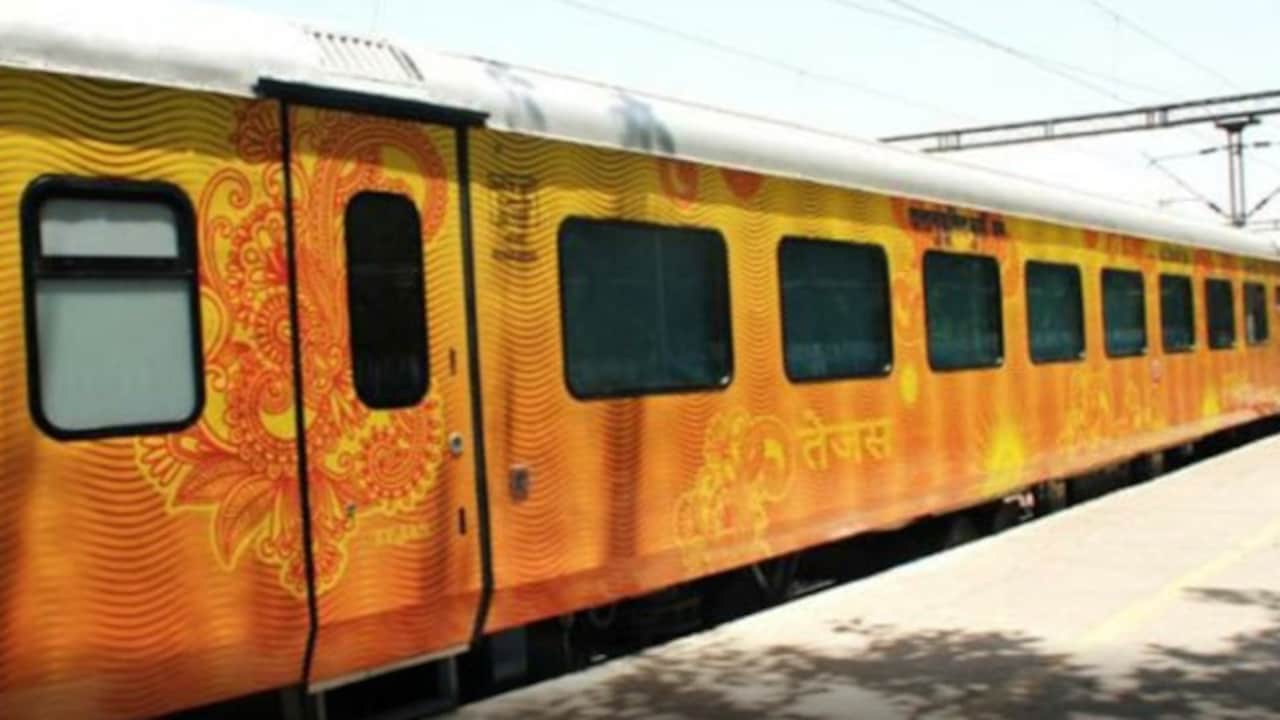
Rajdhani may be the older service, but that does not mean every Rajdhani coach is outdated. Indian Railways has introduced Tejas Rajdhani coaches with features including automatic doors, CCTV, fire and smoke detection systems, improved interiors and bio-vacuum toilets.
For more than five decades, Rajdhani has remained an important part of India's premium long-distance rail network. Vande Bharat brought a newer trainset and a different approach to intercity travel.
With sleeper versions now entering the picture, the two services are likely to overlap more than they did when Vande Bharat first arrived.
Track Latest News Live on NDTV.com and get news updates from India and around the world


