




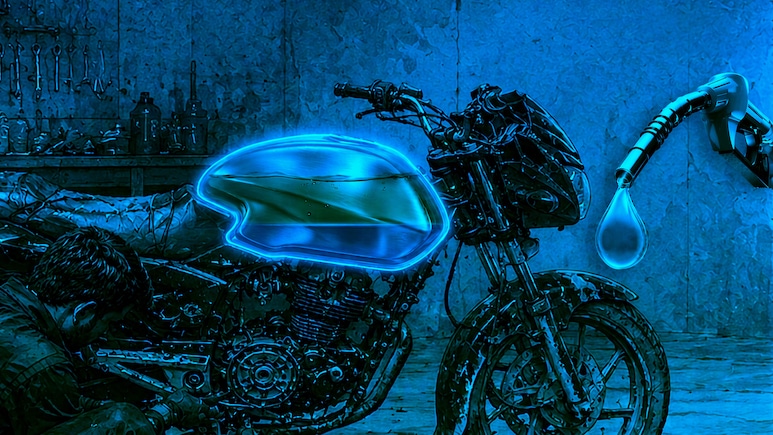
India's shift to ethanol-blended petrol has brought a new question for vehicle owners. What happens if E20 petrol damages your car's engine? Will your insurance company pay for repairs?
The concern is understandable. While E20 petrol has become increasingly common at fuel stations, vehicle compatibility, mileage and the cost of potential repairs remain important considerations, particularly for owners of older cars and two-wheelers.
E20 petrol contains 20 per cent ethanol and 80 per cent conventional petrol. The government has promoted ethanol blending to reduce dependence on imported crude oil, lower emissions and support domestic agricultural production.
Also Read | Layoffs Are Rising In Tech, But These Skills Are Helping People Unlock Better Pay
However, the transition has also triggered questions about fuel efficiency and insurance protection.
Does E20 Petrol Affect Motor Insurance?
The short answer is that using E20 petrol does not automatically invalidate a motor insurance policy.
The government has clarified that E20 usage does not affect the validity of vehicle insurance. Insurers have also clarified that claims cannot be rejected merely because a vehicle has been filled with ethanol-blended petrol.
However, there is an important distinction between insurance validity and coverage for mechanical damage.
A standard motor insurance policy generally covers accidental damage, theft and other insured events. Gradual deterioration, mechanical breakdown and damage arising from regular wear and tear are typically excluded.
This means that even if your insurance policy remains active, a repair bill arising from fuel-related mechanical damage may not automatically qualify for reimbursement.
What Should Vehicle Owners Check Before Filling E20?
Vehicles manufactured from April 2023 were progressively designed to meet E20 material compatibility requirements. However, compatibility can vary across models and manufacturers.
Owners should check their vehicle's fuel specifications, owner's manual or fuel compatibility sticker. Those uncertain about their vehicle's compatibility should contact an authorised service centre.
Pooja Yadav, Chief Product Officer, Zuno General Insurance, said the shift towards ethanol-based fuels requires vehicle owners to pay closer attention to fuel compatibility.
"The growing adoption of ethanol-based fuels is an important shift in India's mobility landscape, but from a vehicle owner's perspective, the most important consideration is fuel compatibility. The recent guidelines recognise higher ethanol blends, including E100, for flex-fuel vehicles specifically designed and certified to use them. This does not mean that every existing petrol vehicle can use higher ethanol blends," she said.
Pooja added that vehicle owners should follow the manufacturer's recommended fuel specifications and check compatibility information before refuelling. Using fuel that a vehicle is not designed for can potentially affect fuel-system components and performance.
Will E20 Petrol Reduce Mileage?
Ethanol has lower energy content per litre than conventional petrol. As a result, some vehicles designed for lower ethanol blends may experience a reduction in fuel efficiency when using E20.
Government-cited studies indicate that certain vehicles may experience a 3-5 per cent reduction in fuel economy. However, the actual impact depends on the vehicle, driving conditions and maintenance.
Driving habits, tyre pressure, air-conditioner usage and regular servicing also influence mileage.
Is There Insurance Cover For E20-Related Damage?
Some insurers are now looking at additional protection against fuel-related damage. Zuno General Insurance has introduced Fuel Guard, an add-on designed to cover specified accidental and unforeseen engine and fuel-system damage arising from approved blended fuels in eligible vehicles.
The cover is subject to conditions, including vehicle eligibility, manufacturer-approved fuel specifications and prescribed maintenance schedules. Pooja said understanding the nature and cause of fuel-related damage becomes important when assessing insurance claims.
"If any issue arises, maintaining service records, repair invoices and diagnostic reports can help establish the nature and cause of the damage," she said.
She added that insurers need to adapt as mobility technologies and fuel requirements evolve. "At Zuno General Insurance, our focus is on understanding these evolving risks and developing relevant solutions while keeping customer awareness and clarity of coverage at the centre," Pooja added.
Track Latest News Live on NDTV.com and get news updates from India and around the world

