The $20 Billion Secret: How Hygiene Became India's Next Big Bet
India's annual 25 million births fuels demand for baby-care products. Meanwhile, increasing elderly population is demanding adult-care products.
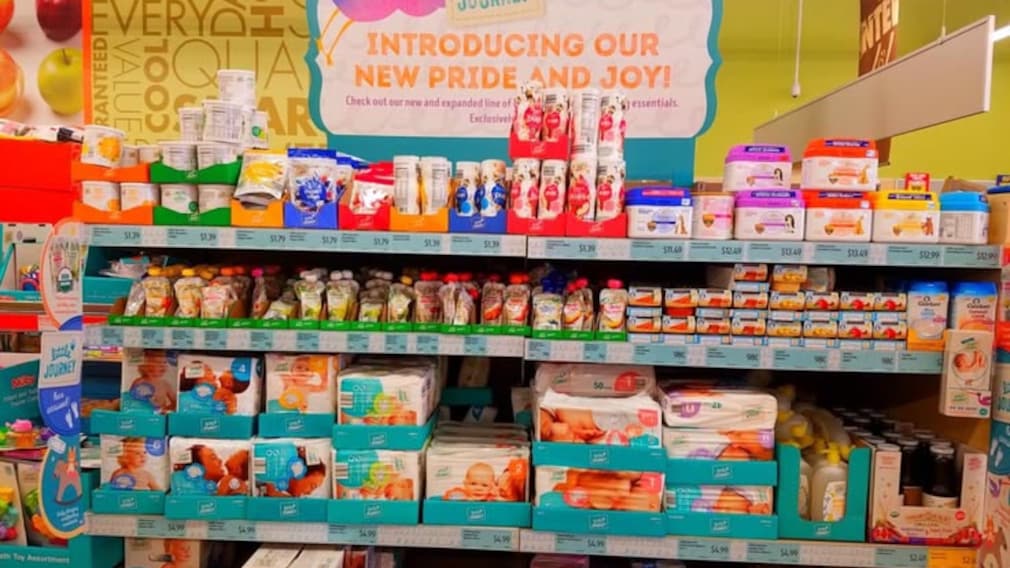
Health is wealth. But today, hygiene is how you protect that wealth every single day.
Earlier, Indians used to buy soap, diapers, and sanitary products without thinking twice. Most affordable option on the shelf. Job done.
Today, a mother checks the label before she buys a diaper. A working woman compares three brands of sanitary pads before choosing one. A family researches adult care products the way they'd research a health insurance plan.
This market shift is not small -- the valuation of India's hygiene segment is estimated to be $20 billion, as per industry experts. It is one of the fastest-growing segments in India's $230 billion FMCG (fast-moving consumer goods) market.
"Consumers today don't see hygiene as a purchase. They see it as protection," says Vijay Chaudhry, Founder & CEO of Lakons. "That mindset shift is the single biggest reason this category is growing the way it is."
The Pandemic Started It. But It Didn't Stop There
Everyone remembers 2020. Sanitisers everywhere. Masks. Disinfectant sprays on every counter.
But here's the part people miss: that habit never really went away. It evolved.
People stopped thinking of hygiene as an emergency response. They started thinking of it as daily insurance against illness.
The World Health Organisation backs this up with a striking number: good hygiene practices can cut the spread of infectious disease by up to 40 per cent. That's not a marketing claim. That's science.
And Indian consumers have taken note. They read labels now. They look for dermatologist approval. They search for clinical validation before they buy.
"People are willing to pay more, but only if the product earns their trust first," says Chaudhry. "Price used to be the deciding factor. Now it's proof."
Parents want gentler products for infants. Women want menstrual care that doesn't compromise comfort for cost. They use spray cleaners for the commode before using any public toilet. Families are spending more on adult care too -- not just functional products, but ones that offer dignity.
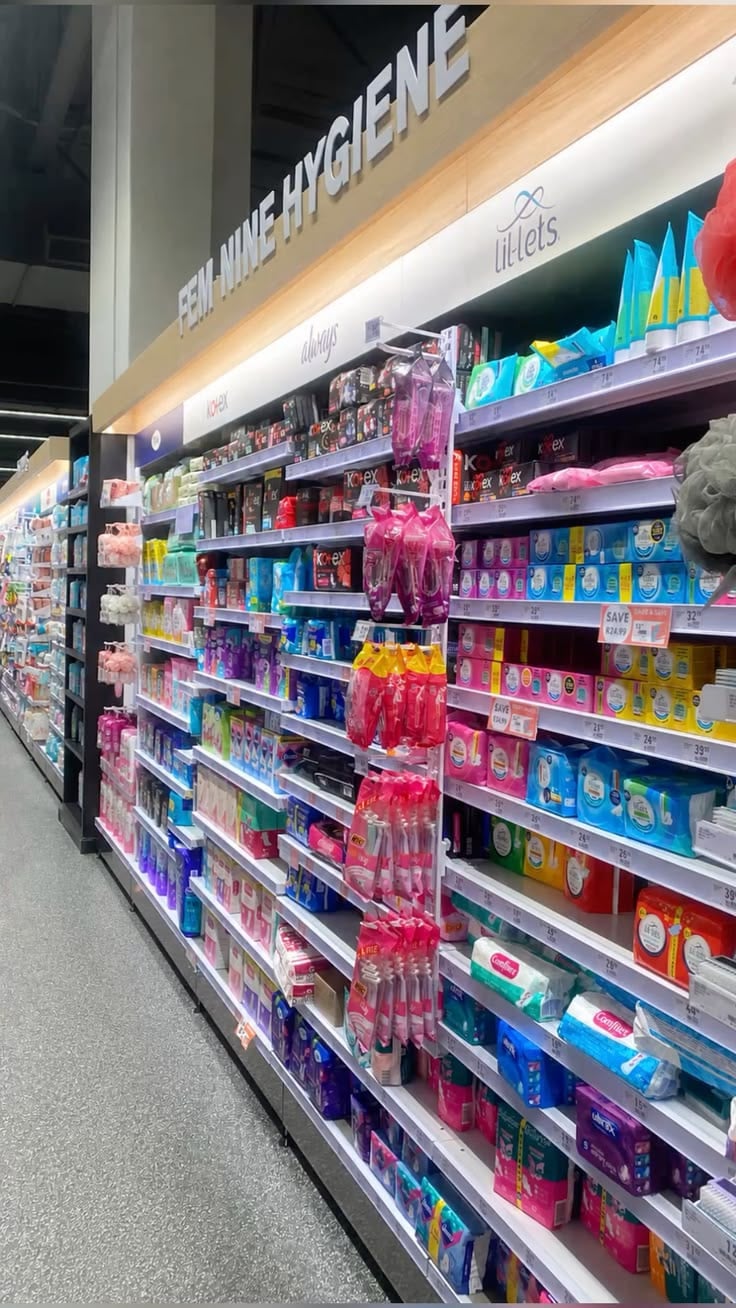
Hygiene, in other words, has quietly become preventive healthcare. This one shift -- research before purchase -- has quietly reshaped the entire industry. Cheap and functional isn't enough anymore. People want safe. They want comfortable. They want sustainable. And increasingly, they're willing to pay for all three.
"The consumer has changed faster than most brands realised," Chaudhry explains. "The ones who are winning are the ones who treated hygiene like healthcare from day one - not the ones who treated it like a commodity."
The numbers back the trend too. India sees roughly 25 million births every year -- a huge, steady engine for baby-care demand. Meanwhile, the elderly population is projected to cross 190 million by 2031, opening up massive room for adult-care products.
Add to that a rising share of urban women in the workforce -- now 25 to 30 per cent -- and you get a growing appetite for hygiene products that are fast, reliable, and stress-free. Put it all together, and hygiene has stopped being a boring shelf category. It's become a value-driven part of everyday healthcare.
What Happens Next
So where does this go from here?
Competition is heating up. And in a crowded market, innovation is what will separate the winners from everyone else. Not marketing budgets. Not shelf space. Actual research. Actual safety. Actual transparency.
"Consumers can tell the difference between a brand that invests in real science and one that just repackages the same formula with a new label," says Chaudhry. "That gap is only going to get more visible."
This is exactly where Indian manufacturers have a real opportunity. Homegrown brands that combine affordability with genuine innovation could compete globally - not just locally.
But there's still a long way to go. Nearly 65 per cent of India lives in rural areas, and organised hygiene products have barely scratched the surface there. The brands that figure out how to reach Tier II, Tier III, and rural India - with the right pricing and the right education - stand to unlock millions of first-time buyers.
"Rural India isn't a smaller version of urban India," Chaudhry notes. "It's a completely different opportunity, and it needs a completely different approach - starting with trust and education, not just distribution."
-
Legendary Mountaineer's Voice Message To NDTV's Vishnu Som Hours Before He Vanished

"Hope you guys are well and it's great to be connected. Thank you guys and greetings from Camp 2 on Broad Peak. Ciao Ciao," Nirmal 'Nims' Purja told NDTV's Vishnu Som
-
They Left The City For The Hills. Nature Tested If They Meant It
They chose to be there. They also chose to stay put every year when rain turns livelihoods and Instagram algorithms upside down, and visuals of flash floods and landslides take over news headlines, almost cutting them off from tourists and, for some, from the rest of the country.
-
Opinion | Why China's Latest 'Chip' Breakthrough Is Shaking The World
China was never supposed to get this far, the US tried to ensure that through its sanctions. Beijing, however, had other ideas.
-
Opinion | India's Graduate Nightmare: Why The Brightest Youth Are Now The Most Unemployed
Who can blame Gen Z for their frustrations when over six in 10 youth in India are unemployed? According to data now, the more educated you are, the likelier you are to face joblessness.
-
Opinion | Indian Political Parties Are Now Stuck In An Awkward Gen Z 'Situationship'
For Gen Z to say "Bet" or "No cap", there is a lot of homework ahead for political parties. 'Breadcrumbing' them just won't work.
-
Israel Built A Secret Oil Pipeline With Iran. Saudi Arabia May Need It Most
A secret Israeli-Iranian partnership to build an oil pipeline could be key to Saudi Arabia unloading its crude oil to Europe amid repeated attacks by Houthis on Riyadh's oil infrastructure.
-
Opinion | Gen Z Can Topple A Minister. Why Can't They Enter Parliament?
India's Gen Z can vote at 18, graduate soon afterwards, and even hold bureaucratic positions after 21. What they still can't do is contest elections before they turn 25.
-
Your CTC Is Dead. Your Company Is Calculating You In Tokens Now
AI is turning years of human skill into tokens that companies can price against salaries. As the cost of machine intelligence falls, the real question is no longer whether AI can do your job, but whether HR will decide it can do enough of it for less.
-
Exclusive: Satellites Show At Least 12 Chinese Stealth Jets Facing India. New Delhi's Answer Is Years Away
What makes the deployment of the J-20 significant are its stealth characteristics which enable it to dominate contested airspace