





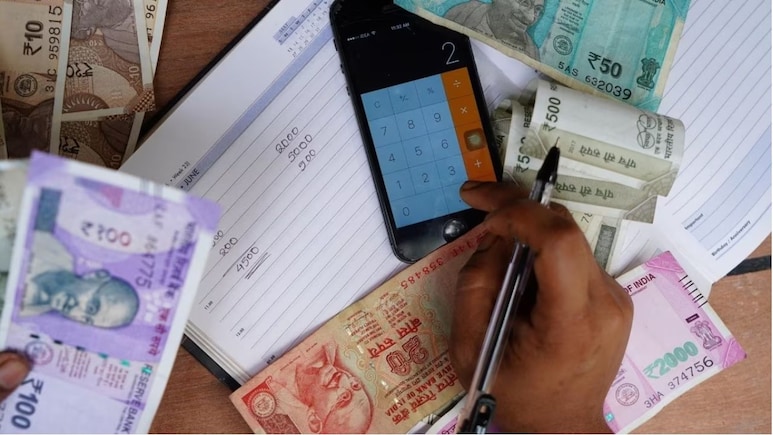
- Filing ITR by July 31 avoids penalties, delayed refunds, and last-minute stress for taxpayers
- Data mismatches often surface late, requiring time to resolve with banks before filing closes
- Reviewing Form 26AS and AIS early helps verify income, TDS, and avoid discrepancies in returns
ITR Filing 2025-26: Every July, a chunk of taxpayers delay their filings, often anticipating that the government will extend the Income Tax Return (ITR) deadline. However, relying on the July 31 cutoff being extended is an approach that can lead to financial penalties, delayed refunds, and last-minute stress.
Historically, deadline extensions have been exceptional measures, typically deployed only during widespread technical glitches on the e-filing portal or administrative constraints. For the everyday taxpayer, operating on the assumption of an extension can lead to missed compliance requirements, and penalty charges.
Here is a look at why preparing returns early is critical, and the complications taxpayers avoid by doing so.
Addressing Data Mismatches Early
A common issue arises when taxpayers log into the income tax portal only during the final week of July. This is often when mismatches in financial data surface, making them difficult to rectify before the portal closes.
"When a discrepancy appears in your Form 26AS or the AIS close to the filing deadline, verifying and addressing it with your financial institution takes time," explains Adhil Shetty, CEO, Bankbazaar. "Filing early gives taxpayers the crucial window needed to resolve these issues so they do not miss out on eligible tax credits or face refund delays."
Tax professionals advise reviewing the Annual Information Statement (AIS) and Form 26AS well in advance. For example, if a fixed deposit yielded Rs 45,000 in interest this year, that exact entry must appear, alongside the TDS deducted by the bank. If it is missing, it requires coordination with the bank before the return is submitted. Similar verification is necessary for salary TDS, mutual fund dividends, and capital gains.
Re-Evaluating Early-Year Tax Choices
Additionally, many salaried professionals continue with the tax regime they opted for with their employer at the start of the financial year. However, if income or expenses have shifted since April, that initial estimate may no longer be the most tax-efficient choice.
"A mid-year financial decision such as initiating a new home loan EMI or purchasing a health insurance policy can completely alter which tax regime is more beneficial," points out Shetty.
The choice between regimes depends entirely on a taxpayer's actual income and deductions at the time of filing. For instance, an individual earning Rs 15 lakh a year pays minimal tax under the new regime due to standard deductions and rebates. Yet, if that same person is claiming Rs 2 lakh in home loan interest, Rs 1.5 lakh under Section 80C, and Rs 25,000 under Section 80D, the old regime becomes more cost-effective.
Ultimately, evaluating both tax regimes with final numbers rather than early-year estimates ensures the lowest possible tax liability. As the July 31 deadline nears, financial experts emphasise that reconciling data early remains the most reliable way to ensure an accurate, penalty-free filing process.
Track Latest News Live on NDTV.com and get news updates from India and around the world

