





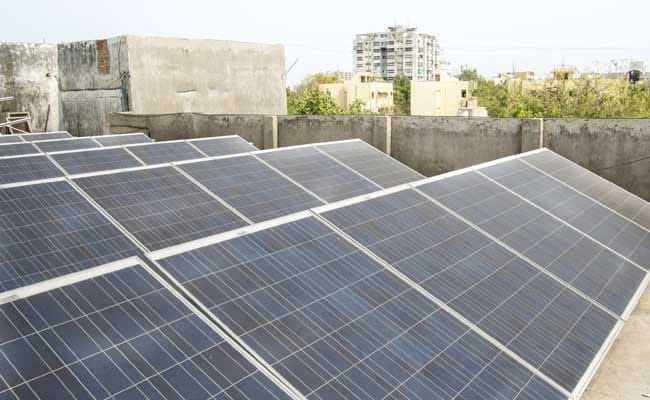
- Rooftop solar can reduce Delhi electricity bills to zero with proper sizing and usage
- Government subsidies up to Rs 1.08 lakh are available under PM Surya Ghar and Delhi policies
- Excess solar power can be sold back to the grid via net metering for additional income
Imagine opening your electricity bill and finding the amount due is zero.
For thousands of Delhi residents, that possibility is no longer just a dream. It is exactly what BSES is encouraging consumers to explore through rooftop solar systems.
In a new awareness video posted on X, the power distribution company explained how Delhi households, RWAs, housing societies and businesses can generate their own electricity, slash power bills and even earn money by sending surplus electricity back to the grid.
The biggest attraction? Consumers can get government subsidies of up to Rs 1.08 lakh, easy financing options and long-term savings that could continue for over two decades.
How Can Your Electricity Bill Become Zero?
According to BSES, rooftop solar systems generate electricity from sunlight, allowing homes to run appliances such as fans, lights, refrigerators, washing machines and air conditioners using solar power.
If the system is properly sized and electricity consumption is managed efficiently, the monthly electricity bill can come down significantly. In some cases, it can even become zero.
The company said most rooftop solar systems recover their installation cost within three to five years, while the panels continue generating electricity for 25 years or more with minimal maintenance.
Subsidy Of Up To Rs 1.08 Lakh
BSES highlighted that consumers can take advantage of benefits available under the PM Surya Ghar: Muft Bijli Yojana and the Delhi Solar Policy. Eligible consumers can receive subsidies worth up to Rs 1.08 lakh, including:
- Up to Rs 78,000 from the Central government
- Up to Rs 30,000 from the Delhi government
Apart from subsidies, consumers can also benefit from Generation-Based Incentives (GBI) wherever applicable.
From Sunshine to Zero-Bill Possibilities
— BSES Delhi (@bsesdelhi) July 16, 2026
Every morning, the sun rises over Delhi. Now, it can do more than brighten our homes. It can power them, substantially reduce electricity bills and, in some cases, even bring them down to zero.
That means greater savings every month,… pic.twitter.com/AIst3nUh92
You Can Also Earn From Excess Electricity
One of the biggest advantages of rooftop solar is net metering.
If your solar panels generate more electricity than your household consumes, the surplus power is exported to the grid. BSES purchases this excess electricity, further increasing your overall savings.
In simple terms, your roof can become a small power plant that not only reduces your electricity bill but also helps generate additional income.
No Large Upfront Payment? Loans Can Help
For many households, the biggest hurdle has always been the high initial cost of installing solar panels. That is beginning to change.
Banks and financial institutions now offer easy solar loans and EMI options, allowing consumers to spread the cost over time instead of paying everything upfront.
Industry experts say this shift has made rooftop solar far more accessible. "The transition to clean energy in India is no longer limited to commercial solar power projects. A growing population of households is now playing an important role in India's renewable energy ambitions," said Vinay Thadani, Director & CEO of Grew Solar.
"The role of financing is key in encouraging rooftop solar adoption. As costs continue to come down, households are increasingly beginning to view solar not just as a sustainability measure, but also an investment."
Aditya Damani, CEO of Direct Retail Business at BlackSoil, said the conversation around rooftop solar has moved beyond environmental benefits. "India's rooftop solar story is no longer just about clean energy; it is increasingly about household cash flows. Solar financing converts a large one-time expense into manageable monthly payments that are often offset by lower electricity bills. A rooftop solar system typically recovers its cost in about 2.5 years, while the asset itself continues to generate savings for nearly 25 years," he said.
How Much Electricity Can Rooftop Solar Generate?
According to BSES: a 1-kilowatt rooftop solar system can generate around four units of electricity every day. Depending on electricity usage and system size, consumers can reduce electricity bills by 50 percent or more.
Installing a 1-kW system generally requires around 100 square feet of shadow-free rooftop space. The company also said RWAs and cooperative group housing societies can use rooftop solar to lower the electricity costs of common facilities such as lifts, water pumps and lighting.
How To Apply:-
- BSES has outlined a simple application process:
- Register on the PM Surya Ghar portal.
- Choose an approved vendor.
- Install the rooftop solar system.
- Complete the net metering process.
- Start generating electricity and saving on bills.
Consumers should ensure they use DCR-certified solar modules, approved inverters and installations that comply with MNRE safety standards and DISCOM guidelines.
Track Latest News Live on NDTV.com and get news updates from India and around the world

