





The government never tried to stop the protest by students over exam paper leaks, Union Finance Minister Nirmala Sitharaman told NDTV today at the Business Leadership Awards 2026. She was responding to questions by NDTV Editor-in-Chief Rahul Kanwal on whether the protests caught the government off-guard.
"Well, I'm not undermining their energy. But the young in every generation join protests," she said.
"I'm not undermining what happened in the last couple of weeks. You rightly recalled that when I was in JNU and I'm sure generations before me and generations after us will still do it, the young get very touched by things which are not ideal," the finance minister, an alumnus of Delhi's Jawaharlal Nehru University long known for student politics on campus, told NDTV.
The satirical political group Cockroach Janta Party (CJP), which spearheaded the protest over exam paper leaks, called off the agitation yesterday after Dharmendra Pradhan resigned as Union Education Minister. His resignation was the main demand by the group.
"They want good, responsive, correct measures, timely measures and that's only right. And therefore they tend to protest because they think they should make the difference and I'm happy for it because that's the spirit of the young. I have no second opinion on that," Sitharaman told NDTV in a first acknowledgement by a senior Union minister, since the protest ended yesterday, on what the government has learnt from the month-long agitation by young people.
"But the difference lies when you're ready to understand where they come from and respond accordingly. I'm happy to say this is a legacy of every generation when it is young and it happens in every country... We have to keep our ears closer to the ground so that we hear and understand what's going on."
She pointed out it would be incorrect to assume the government took a long time to respond to the protest and understand its enormity. "Give respect to the protest. We have not stopped them from protesting. The permission was given... We didn't try at any point in time to stop the protest," she said.
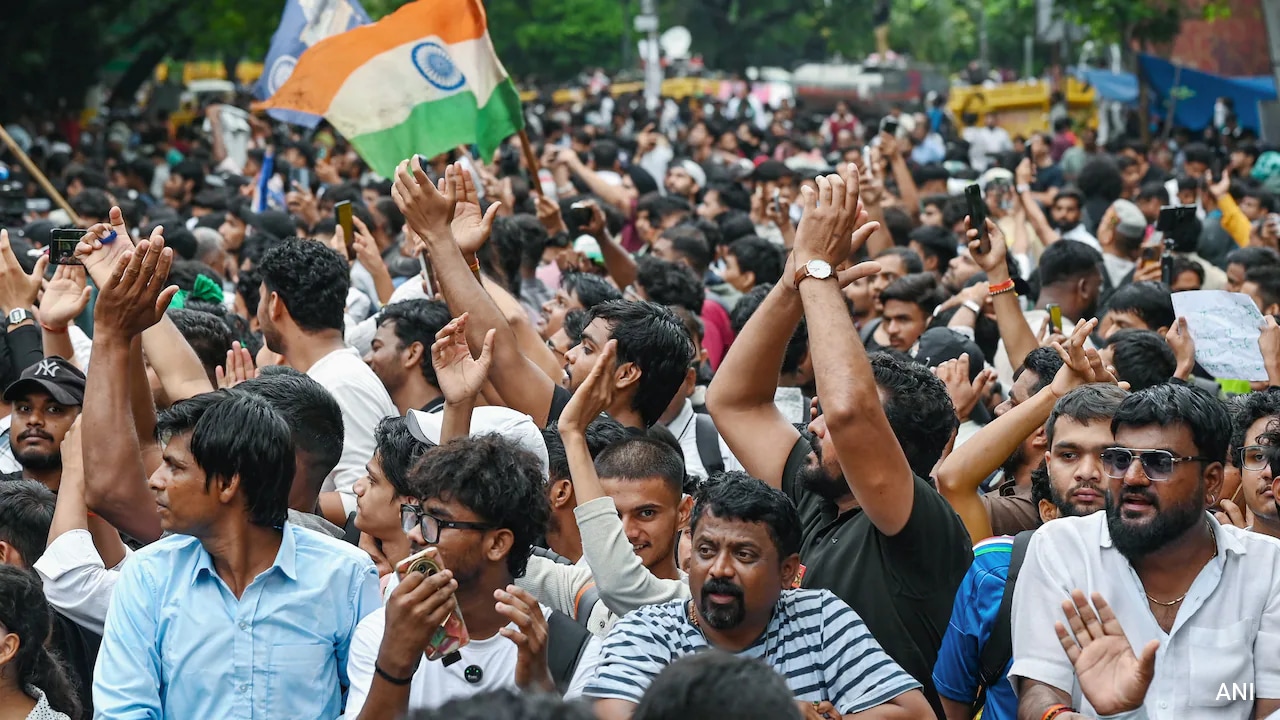
Pradhan in his resignation letter had said he decided to step down to prevent anti-national elements from taking advantage of the situation at Delhi's Jantar Mantar.
Explaining the context, Sitharaman said, "When things didn't go right the first time, when the exams were held and the leak became public, it had to be acted upon. Soon, the government arrested those who had bought and sold the papers and so on. It was the responsibility of the government. One, to arrest them, put them to a judicial process.
"But equally, it was the responsibility of the government to make sure the re-examination happens in time, students get their results in time, so that their one whole year's calendar does not get affected. And I think that bit was, together with everybody, the Education Minister Dharmendra Pradhan handled. And after having completed that re-examination process and announcing the results, he took a call to put in his papers.
"If he hadn't done that, meaning if the re-examination hadn't happened in time, it would have been irresponsible of everybody in the system. We had to do that for the students and that was done," Sitharaman told NDTV.
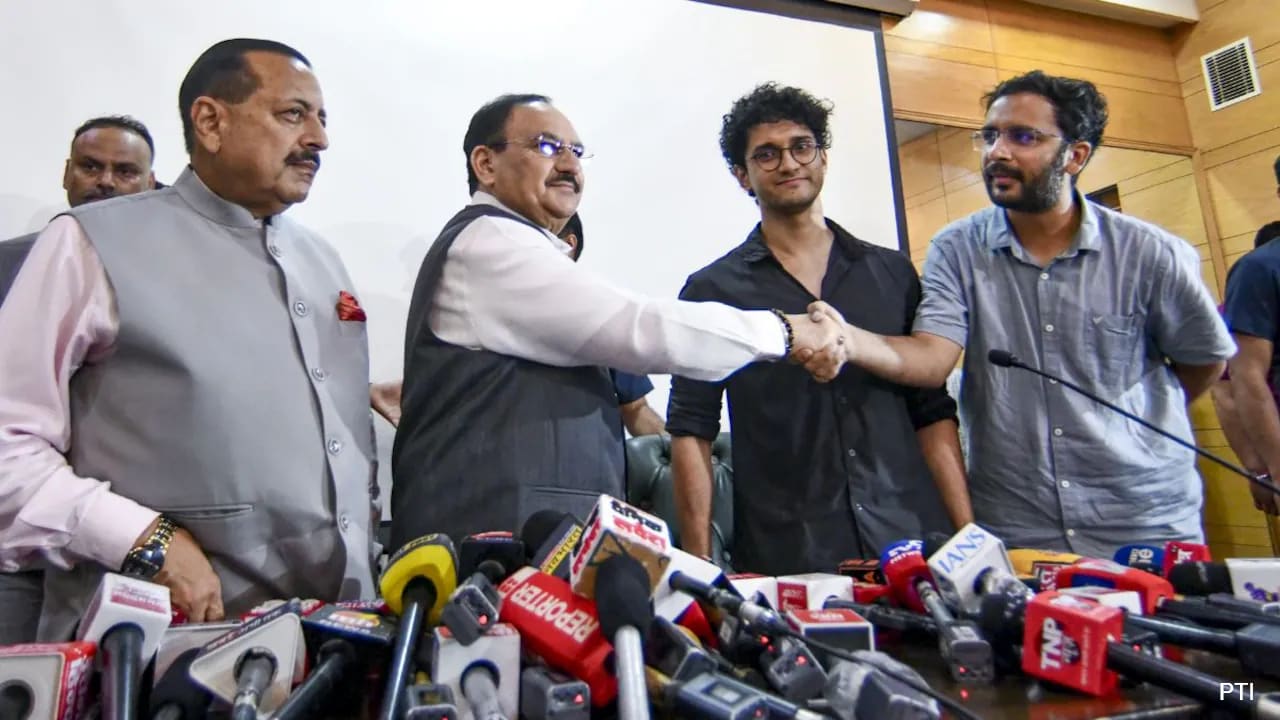
Sitharaman accepted that the government will have to work on making its language and messaging easy to understand for young people, who are active on social media platforms like Instagram and use a new set of vocabulary in protests.
"How are we going to change is the answer we all have to work on because communication in their language is easy for them to understand, not too verbose and also not too bureaucratic," Sitharaman said. "It is important for the government to see how far it can go in communicating in that kind of language."
Sitharaman, however, cited a "limitation" for the government in the use of language that can help connect instantly with the young crowd. "When the government speaks, it is always subject to legal scrutiny. You can't say something which sounds ambiguous or light-hearted for courts to interpret. The government by itself has a limitation in this regard. Your language will have to be the language which will be tested in the courts."
Track Latest News Live on NDTV.com and get news updates from India and around the world

