






An NDTV investigation inside a Food and Drug Administration (FDA) laboratory has uncovered a disturbing trend in milk adulteration, with detergent being detected in numerous milk samples collected from across Maharashtra.
The findings emerged during live testing conducted by FDA lab technicians, raising serious concerns about the quality and safety of milk reaching consumers.
Among the various food items sent to the laboratory for analysis, milk samples constituted the largest share. During the testing process, many of these samples were found to contain detergent, a substance that has no place in milk but is allegedly being used by adulterators to make synthetic milk appear genuine.
Why Is Detergent Added To Milk?
According to officials, adulterators often prepare synthetic or fake milk by mixing water, urea and other inexpensive chemicals. However, to recreate the appearance of real milk, they add detergent.
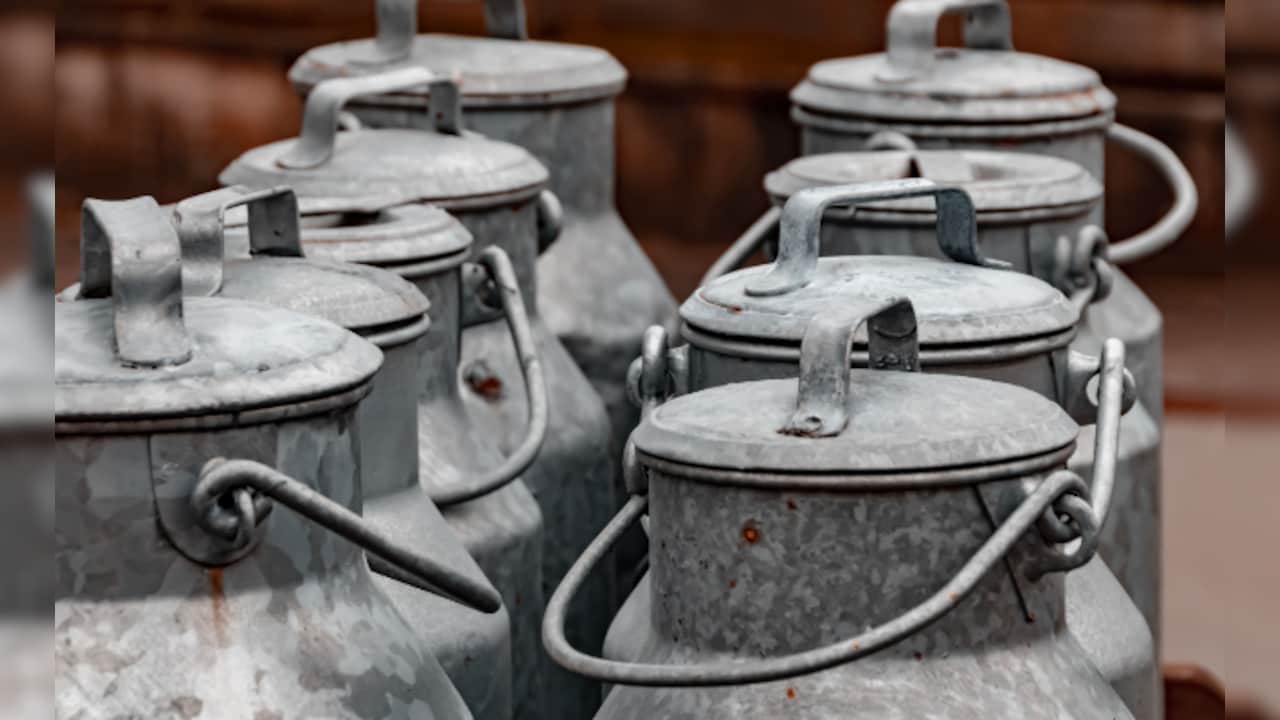
The purpose is simple: detergent produces thick foam. The artificial foam mimics the natural froth seen when fresh milk is poured into a container, making the product appear pure, fresh and rich in quality. The foam can easily mislead consumers into believing they are purchasing genuine milk.
Serious Health Risks
Health experts warn that detergent-adulterated milk can pose serious risks to consumers.
Direct consumption may lead to food poisoning, stomach pain, vomiting, diarrhoea and intestinal ulcers. Detergents contain caustic soda and other harmful chemicals that can enter the bloodstream and, over time, damage vital organs such as the liver and kidneys.
Children are considered particularly vulnerable because of their sensitive physiology. Consumption of synthetic milk containing such substances can adversely affect their physical and mental development.
How FDA Detects Milk Adulteration
The NDTV team observed how FDA laboratories use scientific chemical tests to identify different types of adulteration in milk. Technicians add specific reagents to milk samples and analyse colour changes to determine whether adulterants are present.
To identify synthetic milk or detergent contamination, technicians use Bromocresol Purple Solution, a pH indicator dye that visually changes color based on the acidity or basicity of a solution. When the chemical is added to an adulterated sample, the milk immediately turns purple.
During NDTV's investigation, many samples failed this test and turned purple, indicating the presence of detergent or synthetic milk.
Starch is often added to make milk appear thicker. To detect it, technicians add a few drops of iodine to the sample. If starch is present, the milk turns blue or black.
Some adulterators add urea to artificially increase the apparent protein content of milk. To identify its presence, laboratories use p-Dimethylaminobenzaldehyde (p-DMAB), a chemical compound used in laboratory tests to detect certain substances in food, urine and other samples. When added to a contaminated sample, the reagent causes the milk to turn yellow.
Formalin is sometimes used to prevent milk from curdling for longer periods. To test for formalin, milk is placed in a test tube and sulphuric acid containing a small quantity of ferric chloride is carefully added. If a purple ring forms where the two liquids meet, the presence of formalin is confirmed.
Water adulteration is identified through a lactometer, which measures the density of milk.
Detergent Detected In Maharashtra Milk Samples
NDTV's investigation found that detergent was being detected in milk samples collected from different parts of Maharashtra.
The findings come as the Maharashtra FDA has intensified its crackdown on milk adulteration across the state.
In July, an FDA team conducted a raid in Maharashtra's Latur district and seized around 7,500 litres of fake milk along with a large quantity of banned powder. In another operation in Solapur district, authorities destroyed approximately 37,532 litres of adulterated milk worth nearly Rs 15 lakh that was allegedly being supplied to a major industrial group.
FDA inspections have also revealed serious shortcomings at dairy farms. Officials found mould on walls in milk storage areas, inadequate arrangements to prevent infestations by rats and insects, and an absence of vehicle-cleaning records.
Crackdown Wins Praise, But Traders Raise Concerns
The strict enforcement drive led by FDA Commissioner Tukaram Mundhe has drawn widespread appreciation.

However, the crackdown has also sparked opposition from milk vendors and small traders in Mumbai. A group of traders recently visited the FDA headquarters to protest against the administration's guideline requiring milk to be sold in packaged form rather than as loose milk.
The traders argue that implementing such a requirement immediately is impractical. Many vendors receive as much as 600 litres of loose milk every day and do not have the infrastructure needed to switch to packaging overnight.
They also contend that fresh milk has a shelf life of only four to five hours. Transporting milk from areas such as Vasai-Virar to locations including Borivali, Kandivali and Malad already takes considerable time. As a result, they have urged the administration to provide additional time to arrange packaging facilities and adapt to the new system.
Track Latest News Live on NDTV.com and get news updates from India and around the world

