





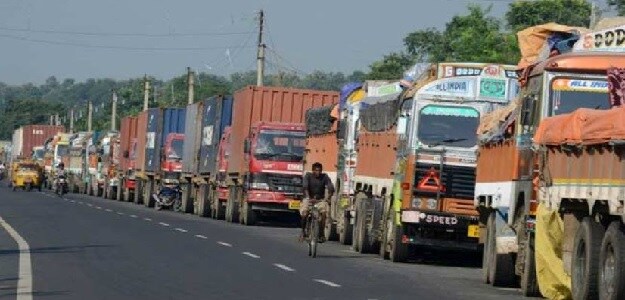
- Owners of old commercial vehicles in Delhi can get up to 10 years of motor vehicle tax exemption
- The PARIVARTAN scheme targets replacement of BS-IV and older trucks, buses, and goods carriers
- New electric LGV buyers get full tax exemption, registration fee waiver, and interest subvention
Owners of ageing commercial vehicles in Delhi could receive a motor vehicle tax exemption for up to 10 years if they replace them with eligible electric or BS-VI vehicles under a new scheme approved by the Delhi Cabinet.
The Delhi government on Monday approved the implementation of the Centre's PARIVARTAN scheme, aimed at replacing older trucks, buses and goods carriers operating across Delhi-NCR.
According to the government, around 2.07 lakh truck and bus owners could be covered by the programme.
The benefits offered will depend on the type of old vehicle being replaced and whether the owner purchases a new or used replacement vehicle.
Chief Minister Rekha Gupta said, "PARIVARTAN will be a milestone in promoting clean transport and reducing pollution in Delhi."
What Owners Of Old Light Goods Vehicles Will Get
Owners of BS-IV or older light goods vehicles, or LGVs, will have to scrap their vehicle and purchase a new electric LGV to receive the full set of benefits announced by the Delhi government.
These include:
A 100 per cent motor vehicle tax exemption for 10 years
A full waiver of the registration fee
A 5 per cent interest subvention on the vehicle loan
An 8 per cent discount from the vehicle manufacturer
Fuel vouchers or a one-time payment equivalent to their discounted value
The scheme does not allow a new diesel or CNG light goods vehicle as a replacement. All new LGVs purchased in Delhi under the programme will have to be electric.
Owners who purchase a used electric LGV instead of a new one will get a 50 per cent motor vehicle tax exemption for 10 years, a 5 per cent interest subvention and a one-time benefit linked to the value of the fuel vouchers.
Benefits For Medium And Heavy Goods Vehicles
The scheme also covers BS-IV and older medium and heavy goods vehicles.
Owners who scrap these vehicles and purchase a new BS-VI, higher-emission-standard or electric goods vehicle will be eligible for a 100 per cent motor vehicle tax exemption for 10 years and a full registration-fee waiver.
They will also qualify for the 5 per cent interest subvention, 8 per cent manufacturer discount and fuel-voucher benefit.
Those purchasing an eligible used BS-VI or electric goods vehicle will receive a 50 per cent motor vehicle tax exemption for 10 years, along with interest support and the one-time fuel-voucher benefit.
Old Buses Also Included
Owners of BS-IV and older buses will also be covered. However, replacement buses must either be BS-VI CNG or electric.
The government said these owners will receive benefits similar to those offered for medium and heavy goods vehicles.
Vehicles scrapped under the scheme may also receive relief from unpaid road tax and fitness penalties that have been pending for more than a year.
Is Scrapping Compulsory?
Not in every case.
The government said eligible BS-IV vehicles may also be sold outside the National Capital Region in cities that are not covered by the National Clean Air Programme, or NCAP.
This means some owners may be able to transfer their vehicles instead of sending them to a registered scrapping facility. The detailed eligibility conditions for such transfers are yet to be announced.
How To Apply
The scheme will operate through a dedicated digital portal being developed by the Union Ministry of Road Transport and Highways.
The Delhi government has not yet announced when applications will open, which documents owners will need to submit or how the tax and registration benefits will be processed.
Since PARIVARTAN applies across Delhi-NCR, the specific concession will be provided by the government of the state in which the commercial vehicle is registered.
This means the incentives offered to a Delhi-registered vehicle may differ from those available for vehicles registered in Haryana or Uttar Pradesh.
The programme is expected to operate alongside the Delhi Electric Vehicle Policy 2026.
Track Latest News Live on NDTV.com and get news updates from India and around the world

