Ice Stupas To Education Reforms: The 'Fast' Evolution Of Sonam Wangchuk
Sonam Wangchuk remains a prominent figure whose activism spans climate change, education reform, democratic rights and environment conservation.
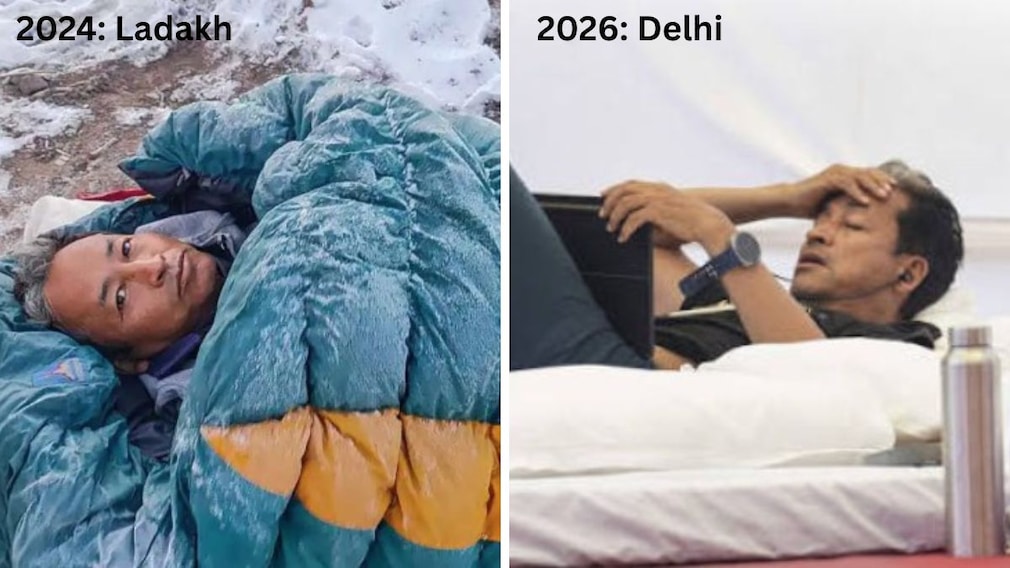
In 2024, Sonam Wangchuk consumed only water and salt and slept outdoors at 11,500 feet in sub-freezing temperatures in Ladakh for 21 days, demanding legal rights for his region to protect its resources.
In 2026, the activist and educator lay under a tarpaulin tent at Jantar Mantar in the humid July heat of Delhi for 21 days, demanding education reforms in the wake of the NEET paper leak controversy.
From celebrated innovator and educationist to the most prominent face of Ladakh's political and environmental movement, and now to the face of the movement for education reforms - Wangchuk's journey reflects a shift from grassroots innovation to national activism.
An engineer by training and an innovator by passion, Wangchuk pioneered sustainable technologies suited to high-altitude regions, including the famous Ice Stupa project - artificial glaciers that store winter water for use in spring.
He burst onto the national imagination after his life and educational philosophy partly inspired the character of Phunsukh Wangdu, played by Aamir Khan, in the Bollywood film 3 Idiots.
Read | Sonam Wangchuk Removed From Protest Site
While the film fictionalised the story, its emphasis on innovation-driven education drew heavily from Wangchuk's work in Ladakh.
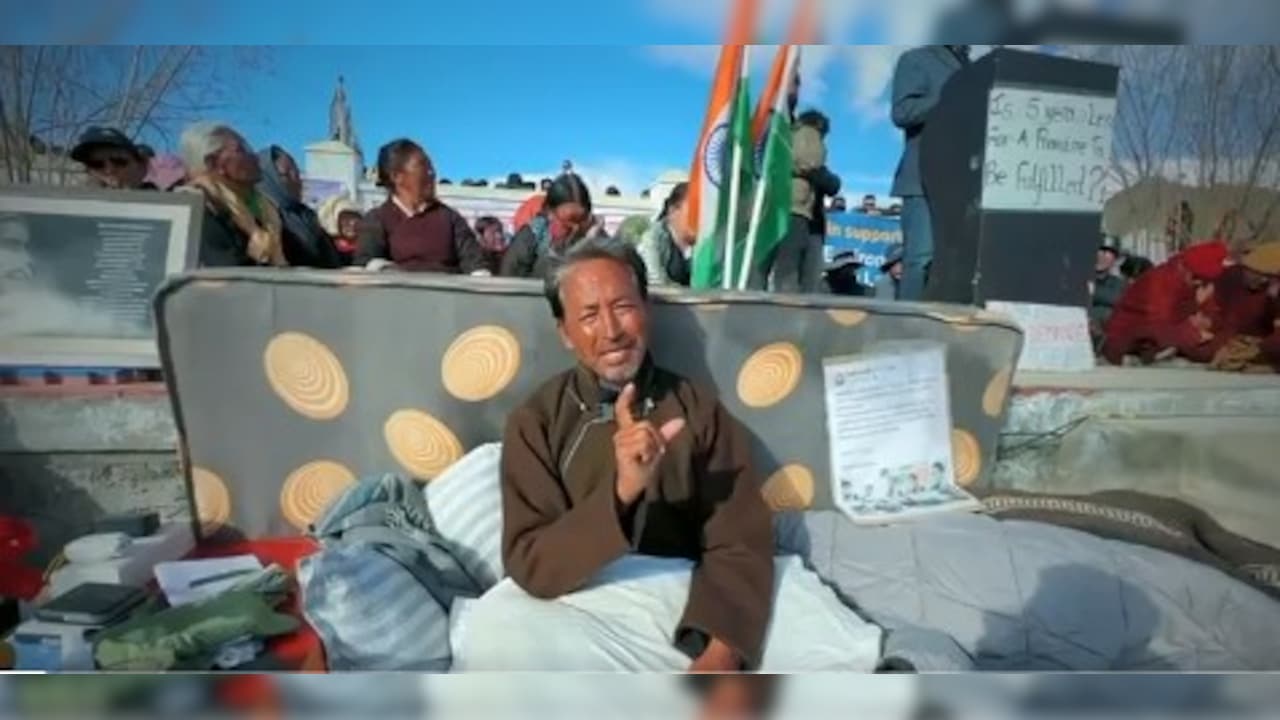
When the Centre revoked Article 370 in 2019 and separated Ladakh from Jammu & Kashmir to make it a Union Territory, Wangchuk welcomed the move. He argued that many people in Ladakh had long sought direct governance from Delhi, hoping it would accelerate development and improve administration.
At the same time, he cautioned that Ladakh's fragile ecology and tribal identity would require constitutional safeguards - a concern that soon turned him from supporter to protester.
Over the next few years, Wangchuk emerged as the leading voice demanding:
- Inclusion of Ladakh under the Sixth Schedule of the Constitution to protect tribal land, culture and resources.
- Statehood or greater democratic representation.
- Constitutional safeguards against unchecked industrialisation and ecological damage.
- Greater local control over natural resources and development.
He led climate fasts, marches and protests, arguing that Ladakh's unique ecosystem could not withstand unregulated development without constitutional protection.
Read | How Sonam Wangchuk Was Whisked Away By Cops In Civilian Clothes
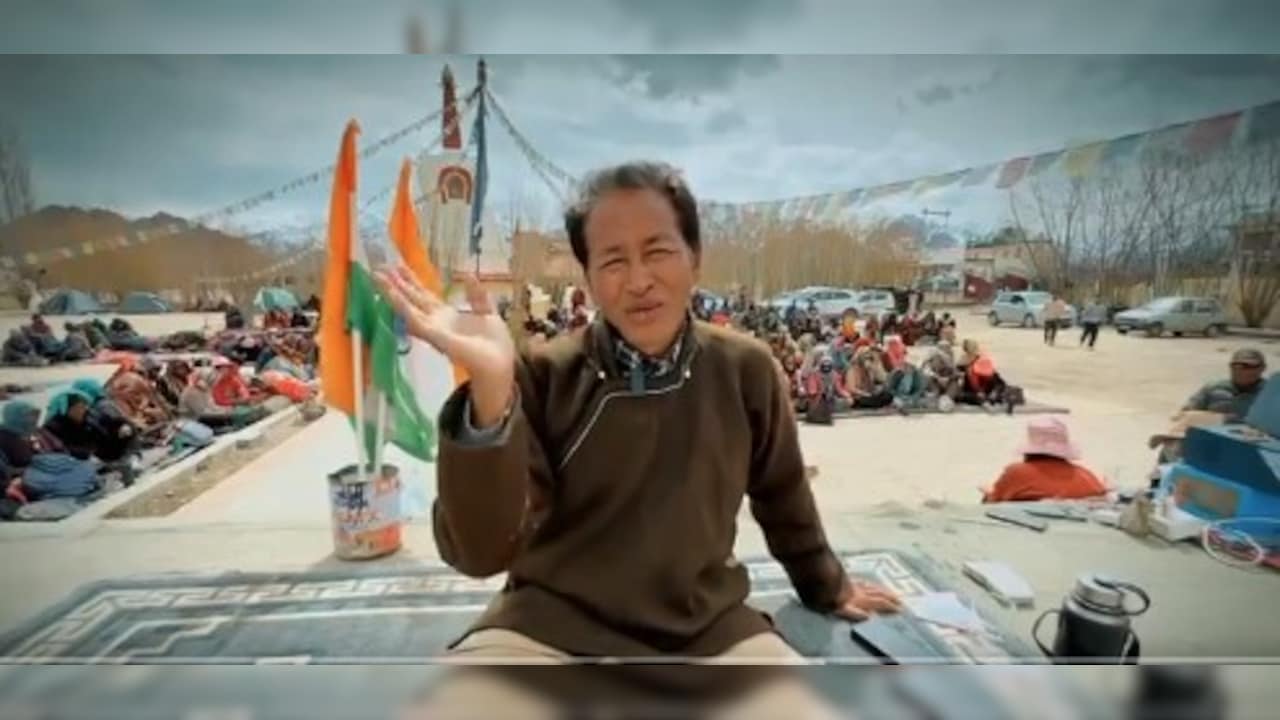
In September 2024, Wangchuk and more than 100 supporters began a nearly 1,000-kilometre march from Ladakh to Delhi.
The march aimed to press the same four demands relating to Ladakh's constitutional status and environmental protection. When the group reached the Delhi border on October 1, Delhi Police detained Wangchuk and several other protesters, citing prohibitory orders in force in the capital.
Then came the turning point.
In 2025, protests in Ladakh over statehood and Sixth Schedule demands turned violent.
Authorities accused Wangchuk of inciting unrest, an allegation he denied, maintaining that he had consistently appealed for peaceful protest.
He was detained under the National Security Act and spent 170 days inside the Jodhpur Central Jail before being released from preventive detention on March 14, 2026.
But the protester and campaigner in Wangchuk did not give up.
Read | "Sonam Wanchuk Taken For Essential Care": Cops Urge Protesters To Vacate Jantar Mantar
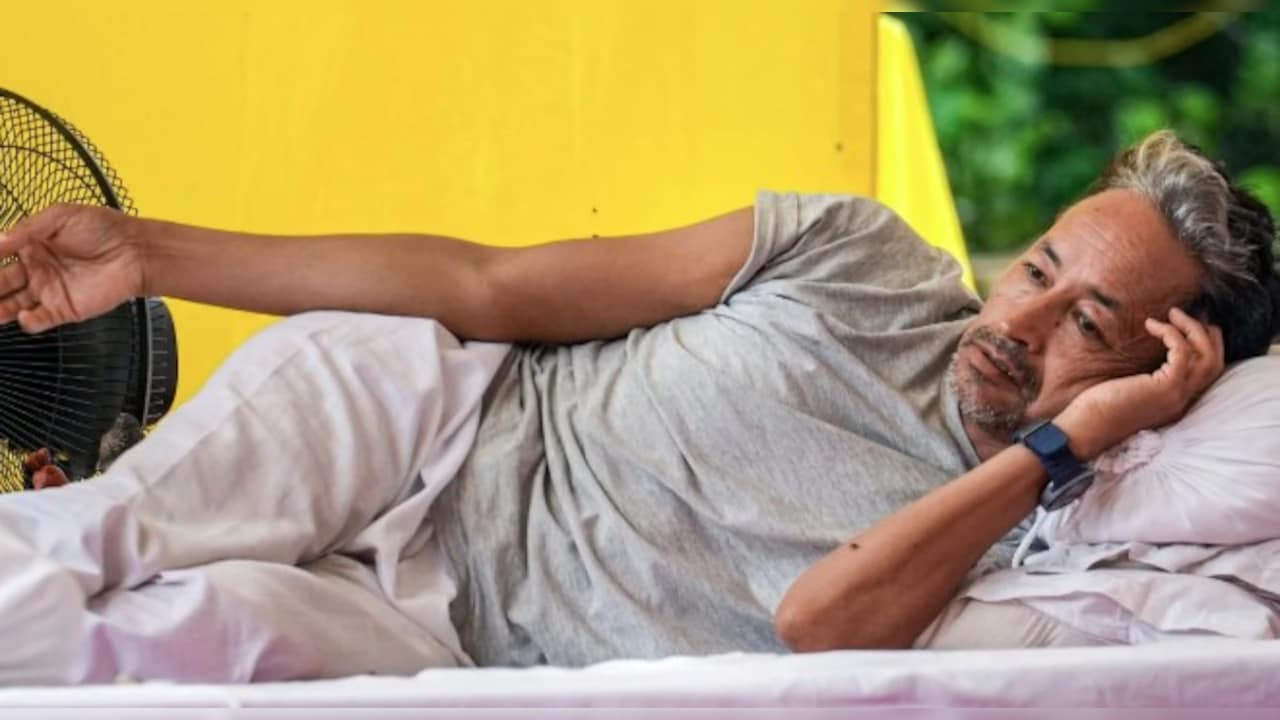
A few months after his release, Wangchuk was back protesting - this time at Jantar Mantar, demanding education reforms.
As he lay visibly weak on the 16th day of his hunger strike, he told reporters: "I am weak on the outside, but strong on the inside."
Today, he remains a prominent figure whose activism spans climate change, education reform, democratic rights and environmental conservation.
Wanghcuk has received several honors, including the Ramon Magsaysay Award, for combining innovation with social impact.
-
Opinion | Jamnagar, Rubio, And Why The US Wants India To 'Obey', Not Negotiate

Marco Rubio's dash to Jamnagar was driven by Trump's hope that India could do something about the shortage of diesel that the world is experiencing and thereby help his mid-term performance. But why the punishing policies then?
-
Opinion | Why China Is Producing More, Selling Cheaper - And Still Not Getting Anywhere
More capital, more capacity, more elaborate technology, and steadily less profit to show for any of it. That's what's happening to China now.
-
Opinion | A Jolt For Trump? How The US May Be Staring At A 'Blue' Wave
Evidence now points firmly to a Democratic majority in the House. The only real surprise is the Senate
-
Opinion | Why The Saudi-Pak-Turkey Defence Pact May Actually Be An 'Intel' Network
Rather than a NATO-like construct, the Mecca pact may evolve to become something like the West's Five Eyes alliance.
-
The Real Story Of France's Unrest Is Getting Lost In A Storm Of Online Lies
A man cosplaying Napoleon on the streets, looting at luxury fashion stores like Dior, France is currently confronting one of its most serious episodes of civil unrest in years.
-
Opinion | The Last Bet? What Trump's 'Mother Of All Bombs' Could Actually Do To Iran
Can an MOAB deliver a decisive blow to Iran that may force it to surrender immediately, as Japan did after Hiroshima and Nagasaki in World War 2?
-
Hit Songs, Empty Pockets: The Hidden Math Behind India's Viral Music Boom
Over 80,000 brands and five lakh creators in India make branded content. The opportunity is worth around Rs 1,500 crore.
-
Opinion | Great 'Exceptions': How The Oil India Was Attacked For Is The Oil Trump Now Seeks
A law written to punish the buyers of Russian oil was suspended by the US to protect a purchase of Russian oil. India spent fourteen months being lectured for less.
-
Opinion | Louis Vuitton Loot, Torched Cars: France Protests Have An Unlikely Beneficiary
It's an unbelievable moment. Crowds looting the most exclusive stores in Paris, including the famed Luis Vuitton. But what's behind this meltdown?