





The Supreme Court on Friday said the Centre should look into institutionalisation of the entire process to conduct the NEET, the national medical entrance examination, and observed that the "quick temporary fixes" would not stop paper leaks.
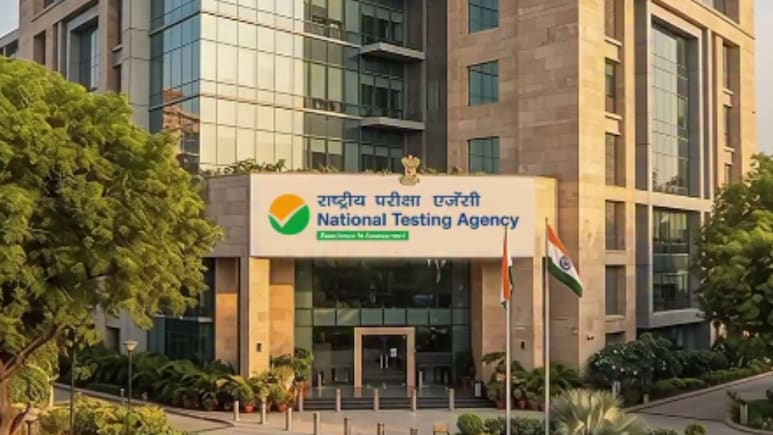
While hearing a plea seeking a direction to replace or restructure the National Testing Agency (NTA) -- the nodal autonomous body that conducts the NEET, or the National Eligibility cum Entrance Test, and other entrance tests for higher educational institutions -- Justices PS Narasimha and Alok Aradhe said they would like to visit the newly upgraded facility of the organisation to examine the system.
"Strengthening the NTA's system institutionally is crucial to preventing recurring paper leaks. Merely immediate or temporary measures would not suffice," the bench told Solicitor General Tushar Mehta.
"You must know that the permanency of the entire system is key. There should be a permanent setup, permanent staff, and permanent verticals. Very little deputation should be there. Only then a permanent structure will come up," the bench said.
"We will come and see whether the system actually exists, whether it is functional, and assess the manpower and other arrangements," they said.
The Centre told the Supreme Court that the Nandan Nilekani-led high-powered panel constituted to suggest structural reforms in NEET has held exhaustive consultations and is likely to submit its first interim report by the end of this month.
Mehta said that all the suggestions had been placed before the panel, which held consultations with the members of an earlier committee led by former ISRO chairman K Radhakrishnan.
The bench asked the joint secretary to the Department of Personnel and Training (DoPT), who is assisting the Nilekani panel, to file an affidavit before the court on the steps taken so far.
The Centre recently announced a comprehensive overhaul of the examination system at the NTA -- which was set up in 2017 -- including implementing a four-tier paper checking process, removing 600 experts, and onboarding domain specialists, among other changes.
The move followed a massive protest over the NEET-UG 2026 paper leak that led to the resignation of Dharmendra Pradhan as the Education Minister in July.
Prime Minister Narendra Modi had also announced the constitution of a high-powered task force headed by Infosys co-founder Nandan Nilekani to recommend reforms to make the exam system leakproof.
Track Latest News Live on NDTV.com and get news updates from India and around the world

