





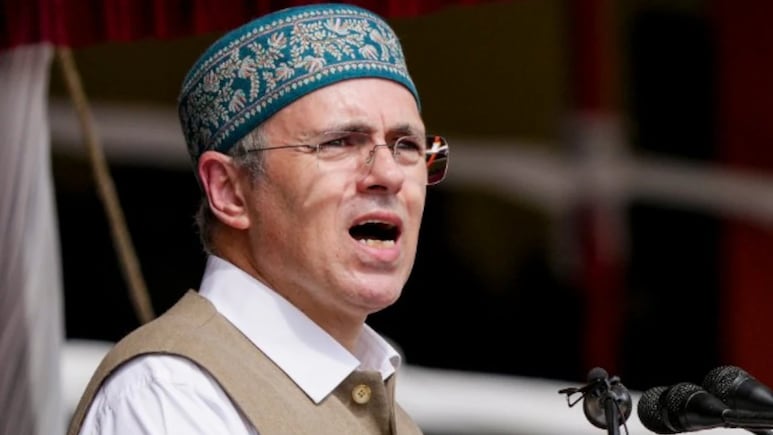
Still incensed over an alleged betrayal in the Rajya Sabha elections last year, the Congress is unlikely to join Omar Abdullah's government in Jammu and Kashmir. The party, a junior partner in the alliance, has so far kept the National Conference guessing about its decision ahead of an expected cabinet expansion in the UT.
So far, Omar Abdullah is running his government with five ministers, four from his own party and one independent, against the permitted nine.
"The National Conference has made an offer asking the Congress party to join the government. Our stand remains unchanged," said Ghulam Ahmad Mir, All India Congress Committee (AICC) General Secretary and the Congress Legislature Party (CLP) leader for Jammu and Kashmir.
NC-Congress Rift Stays
Cracks in the alliance widened in October last year after the Congress accused its alliance partner of betrayal in Rajya Sabha seat-sharing. Ahead of the Rajya Sabha polls for the UT's four seats, the NC announced three candidates and offered the Congress the fourth, deemed unwinnable. The Congress said it had been assured a "safe seat", and decided not to contest. NC took the first three seats; the BJP's Sat Sharma won the fourth.
At the time, the UT Congress leadership had even asked the party high command to review the alliance with the NC.
In the 90-member House with the majority mark being 46, the NC at present has 41 and the Congress six MLAs, taking the bloc to 47 with just the two parties. The BJP has 29 and the PDP four. But the NC also has the backing of some other, smaller parties and independents.
Tense From The Start
The NC-Congress tension began soon after the election results in 2024, when the Congress demanded two berths in the cabinet against one offered by the NC. Under the Jammu and Kashmir Reorganisation Act, the total number of ministers in the council of ministers, including the CM, cannot exceed 10% of the total strength of the assembly. That means nine ministers.
Eventually, the Congress decided in 2024 not to join the government; it said it would wait for J&K's statehood to be restored. After the fresh offer now, state Congress leaders have told NDTV that their position remains unchanged.
An elected government in Jammu and Kashmir was formed in October 2024 after over six years of direct central rule following the removal of special status under Article 370 and the bifurcation of the then state into two UTs, J&K and Ladakh. Of the two, J&K has an assembly, but the central government-appointed lieutenant governor continues to have sweeping powers on key matters in the UT.
Track Latest News Live on NDTV.com and get news updates from India and around the world

