




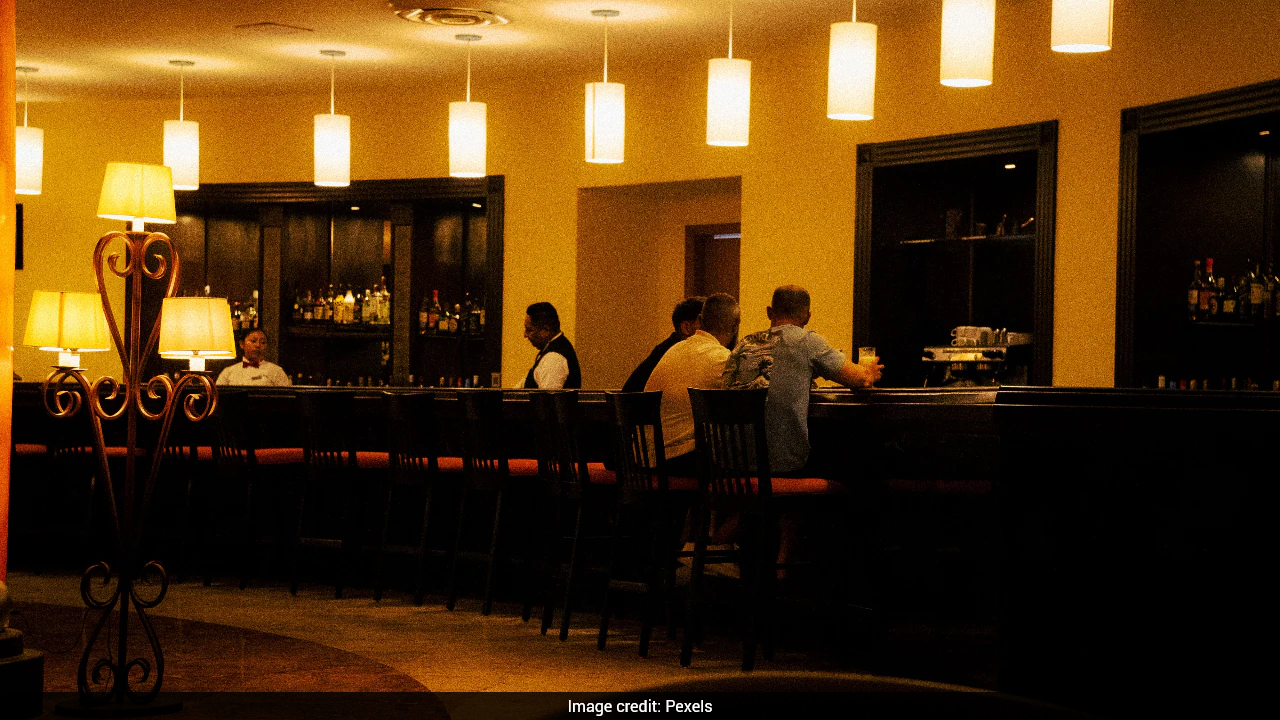
The Kerala High Court has ruled that the mere apprehension of drug use, violence or criminal activity cannot justify restricting the operating hours of licensed five-star hotel bars, setting aside police notices curtailing late-night operations and DJ parties at Radisson Blu in Kochi.
Justice Murali Purushothaman held that five-star hotels holding valid FL-3 licences and the necessary excise permission are entitled to operate until 3 am, three hours beyond the normal midnight closing time.
The ruling came on a petition filed by Radisson Blu challenging notices issued by the Assistant Commissioner of Police and the Kadavanthra Police Inspector restricting DJ programmes after 11:00 pm.
The hotel argued that it had paid the prescribed fee of Rs 5 lakh for extended operating hours and that the police had no statutory authority to impose a blanket ban on DJ events.
The court observed that DJing is not a prohibited art form and that citizens have a fundamental right to assemble peacefully under Article 19(1)(b) of the Constitution. It also recognised the hotel's right to conduct business under Article 19(1)(g), subject to reasonable restrictions.
The police defended the restrictions, citing increasing instances of drug abuse, violence and public disorder linked to late-night entertainment.
However, the High Court ruled that the possibility of criminal activity alone cannot override permissions granted under the Foreign Liquor Rules.
The court made it clear that if the police possess credible information about narcotics consumption or other offences during DJ parties, they must initiate stringent action under criminal law rather than impose sweeping restrictions.
At the same time, the Bench acknowledged the right of nearby residents to protection from noise pollution under Article 21.
It clarified that the police retain the power to act against violations of permissible noise levels through legally prescribed procedures.
The court further noted that restrictions imposed under Section 79 of the Kerala Police Act cannot remain in force beyond 15 days.
Track Latest News Live on NDTV.com and get news updates from India and around the world

