Opinion | 6 Years After A Dramatic Break-Up, Are BJP-Akali Dal Set To Join Hands Again?
The arithmetic looks tempting, but the chemistry decidedly uncertain.
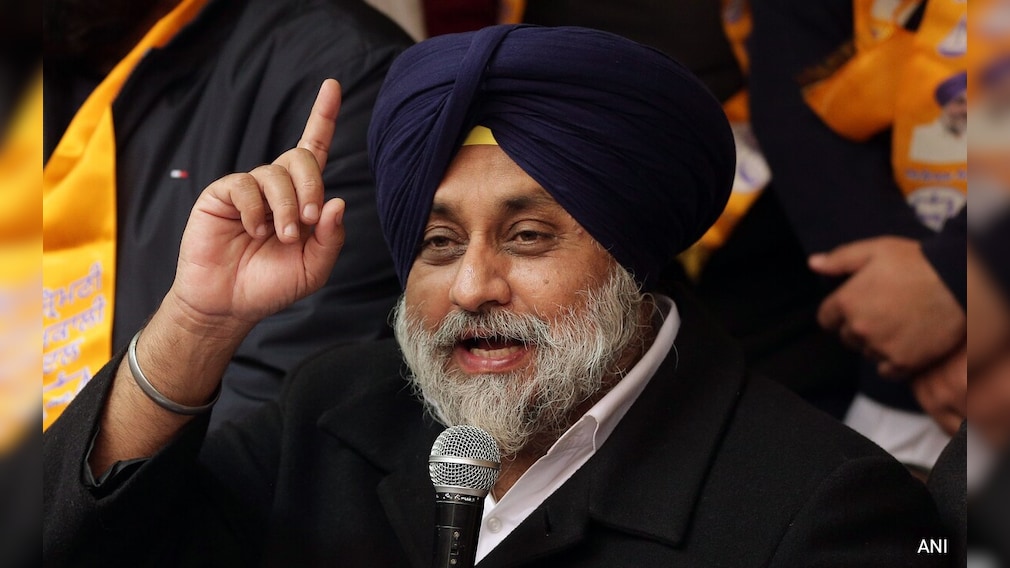
The corridors of power in the capital are abuzz about the 'gharwapasi' of the Shiromani Akali Dal (SDA) into the National Democratic Alliance (NDA) fold before the Punjab elections next year. Sukhbir Badal and Prime Minister Narendra Modi's meeting a few days ago has fuelled speculation. The two parties ran a successful coalition in Punjab for almost 25 years, winning the 1997, 2007, and 2012 elections. It was a natural alliance representing the majority Sikh (SAD) and minority Hindu (BJP) population, respectively. Sikhs account for 58% of Punjab's population, and Hindus 38%.
However, the controversial farm bills in 2019 led to a strain in the relationship, as farmers, particularly from Punjab, opposed the law. The SAD, fearing a loss of support from its key Jat Sikh vote, exited the alliance in September 2020. The SAD had urged the BJP-led central government not to bring the bills to Parliament till "all reservations" expressed by farmers were "duly addressed". But when the Centre did not pay heed, Harsimrat Kaur Badal resigned from the Union Cabinet in protest against the bills.
Punjab's Unique Situation
The duality of the Sikh community - a minority in India but a majority in Punjab - is a continuing source of political conflict and tension between Sikh-majority Punjab and Hindu-majority India. Resentment towards the Centre, especially after the Golden Temple incident in 1984, hasn't waned fully. Regionalism is integral to Sikh culture; Punjabis don't want their fate to be remote-controlled by Delhi.
Post-split, however, both the BJP and the SAD have suffered electoral setbacks.
The 2017 Vidhan Sabha Verdict
From 15 seats in 2017, when it had contested in an alliance, the SAD collapsed to just three in 2022 as a lone player. The BJP also dropped from three to two seats in an election that was swept by AAP, which ended up bagging 80% of the seats. Vote share numbers tell a similar story. While SAD fell sharply from 25.2% to 18.5%, a loss of 6.7 percentage points, the BJP actually gained slightly, from 5.4% to 6.7%, a climb of 1.3 percentage points.
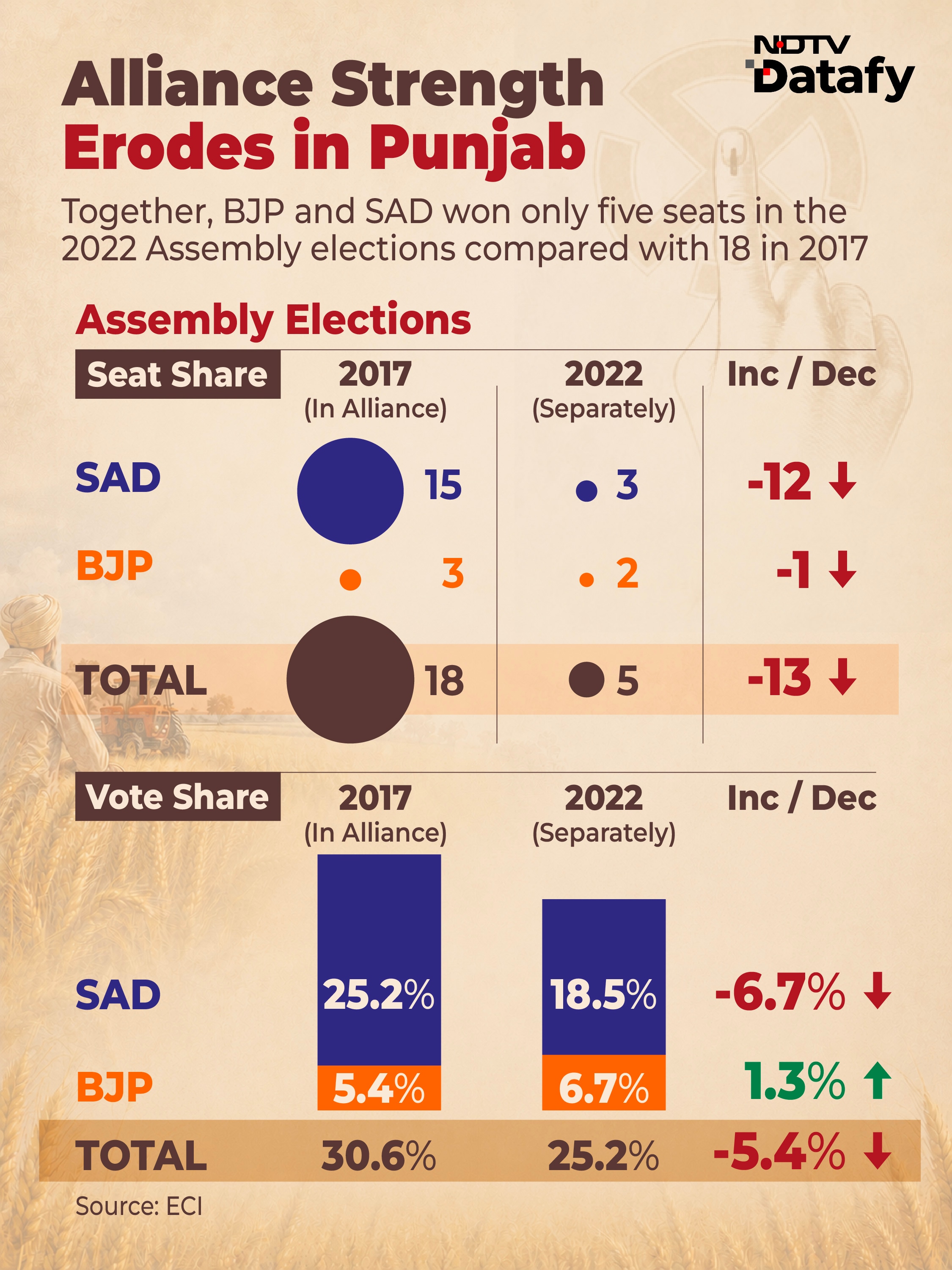
The SAD bore the brunt of the split as it lost its core Jat Sikh and panthic Sikh votes, while the BJP's standalone vote share held up better than its seat count would suggest. The BJP consolidated Hindu support significantly. Its Hindu Upper caste vote jumped from 7% in 2017 to 20% in 2022, in elections it contested alone. The Hindu OBC vote also climbed from 6% to 16%, while the Hindu SC vote showed a moderate rise from 9% to 10%. The SAD, on the other hand, lost not only Jat Sikh support, which fell from 38% to 26% votes, but also Dalit Sikh backing, whose vote share dropped to a mere 18% from 35%.
Similar But Sharper Patterns In Lok Sabha
While the SAD managed to hold on to just one of the two seats it had won in 2019, the BJP lost both its constituencies in a five-cornered contest. The SAD vote share dropped steeply from 27.5% to 13.5% - twice the Vidhan Sabha erosion as it lost further panthic support to Independents, later rechristened as Akali Dal (Waris Punjab De). On the other hand, the BJP's vote share surged from 9.6% to 18.7%.
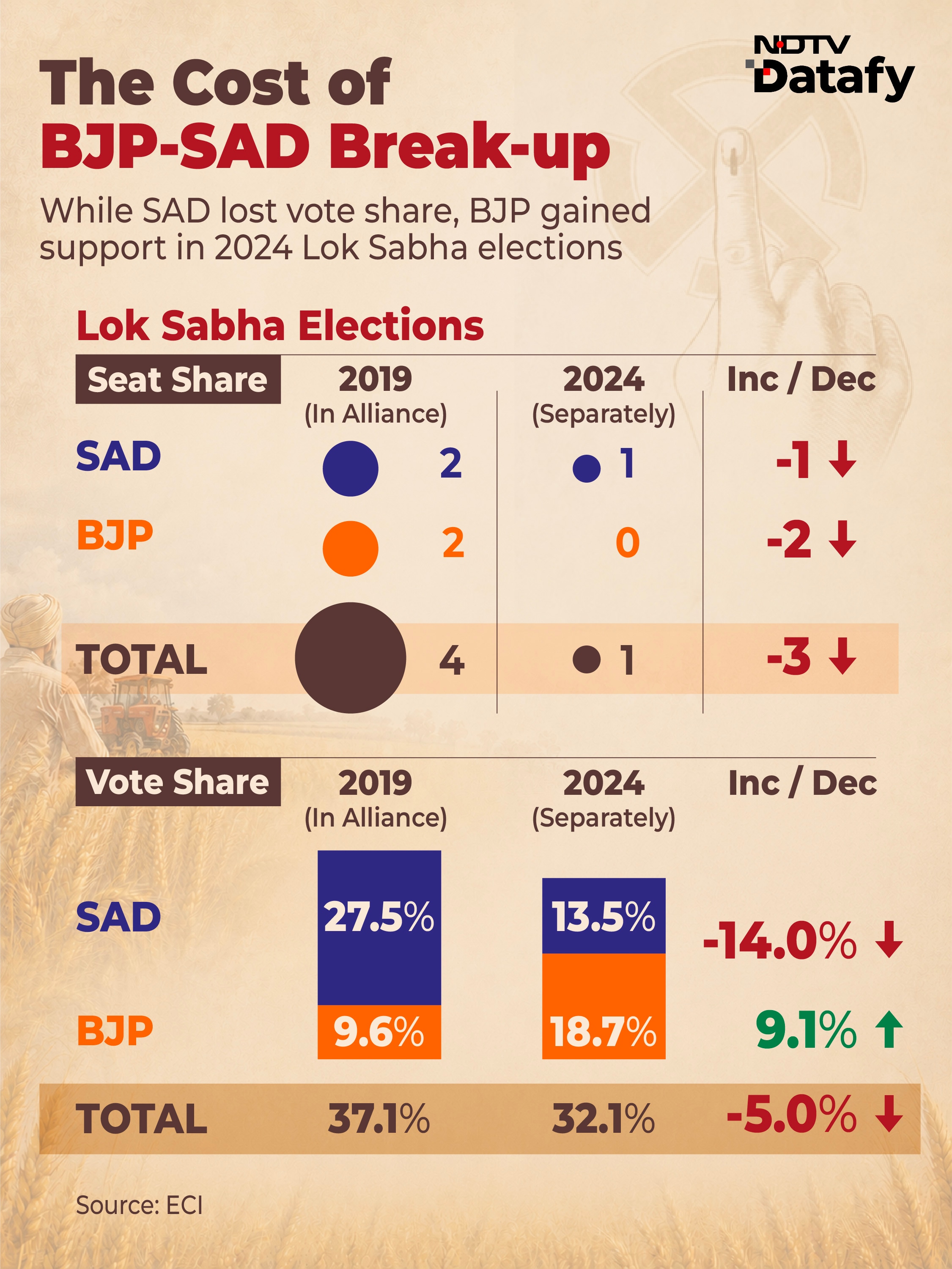
This is explained by the "national character" of Lok Sabha polls, anti-incumbency against the AAP government, and the consolidation of Hindu voters behind the BJP - even if the saffron party's seat count didn't reflect these shifts. Hindu upper caste support jumped from 20% in 2022 to 56% in 2024. In terms of assembly segments, while the BJP led in 23 seats (21 more than in 2022), the SAD led in nine (six over 2022). In total, they led in 32 segments, leading to calls for patching up and forming an alliance for the 2027 state polls.
What If The Two Had Remained Allied?
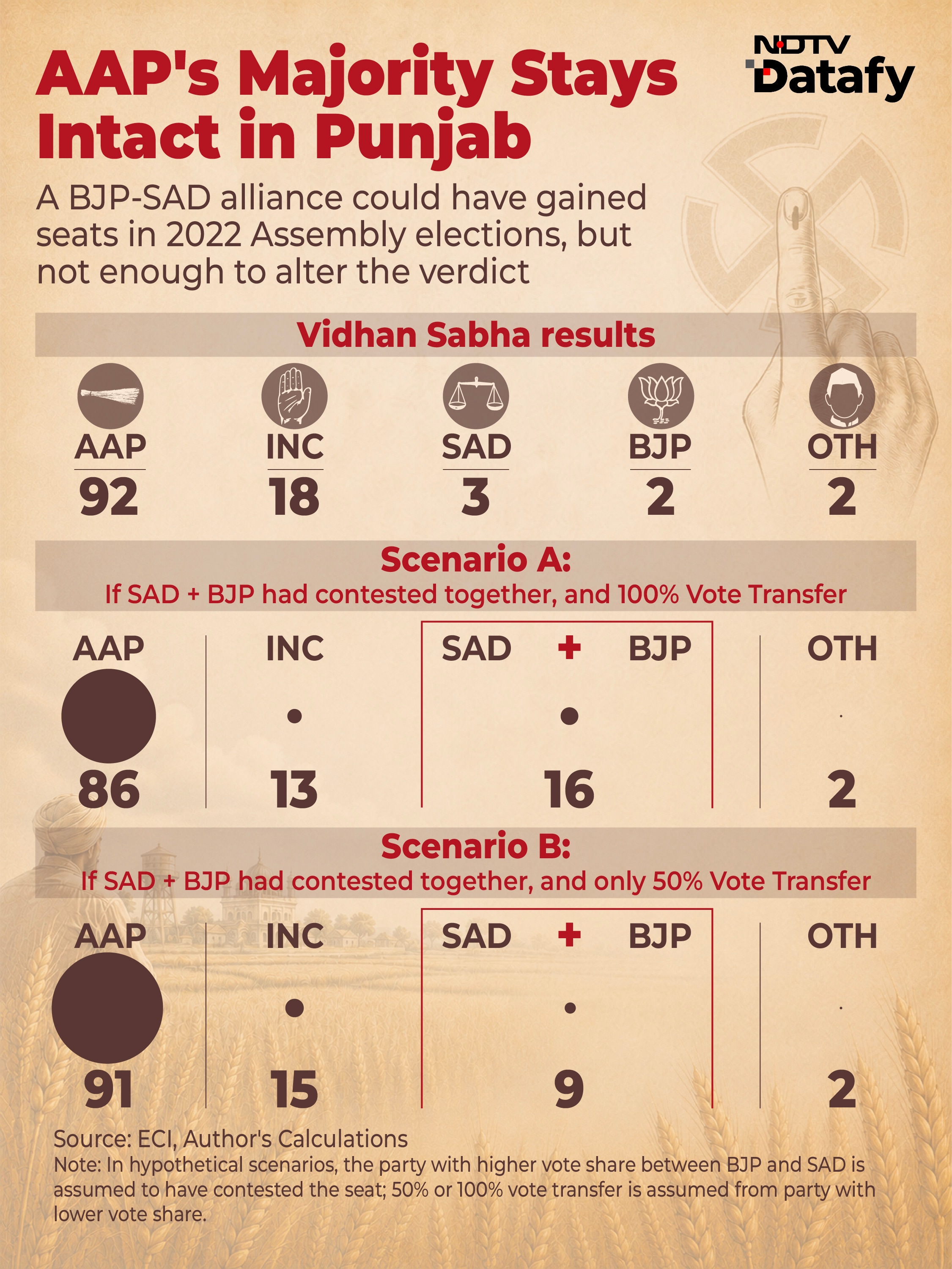
In the 2022 Vidhan Sabha elections, had there been a 100% vote transfer, the SAD-BJP combine would have won 16 seats against the actual combined tally of five. AAP would still have dominated the elections, winning around 86 of the 117 seats. The alliance wouldn't have changed the overall outcome, but it would have certainly eaten into the AAP-Congress numbers slightly. Even at 50% vote transfer, the alliance would have won nine seats, a gain of four.
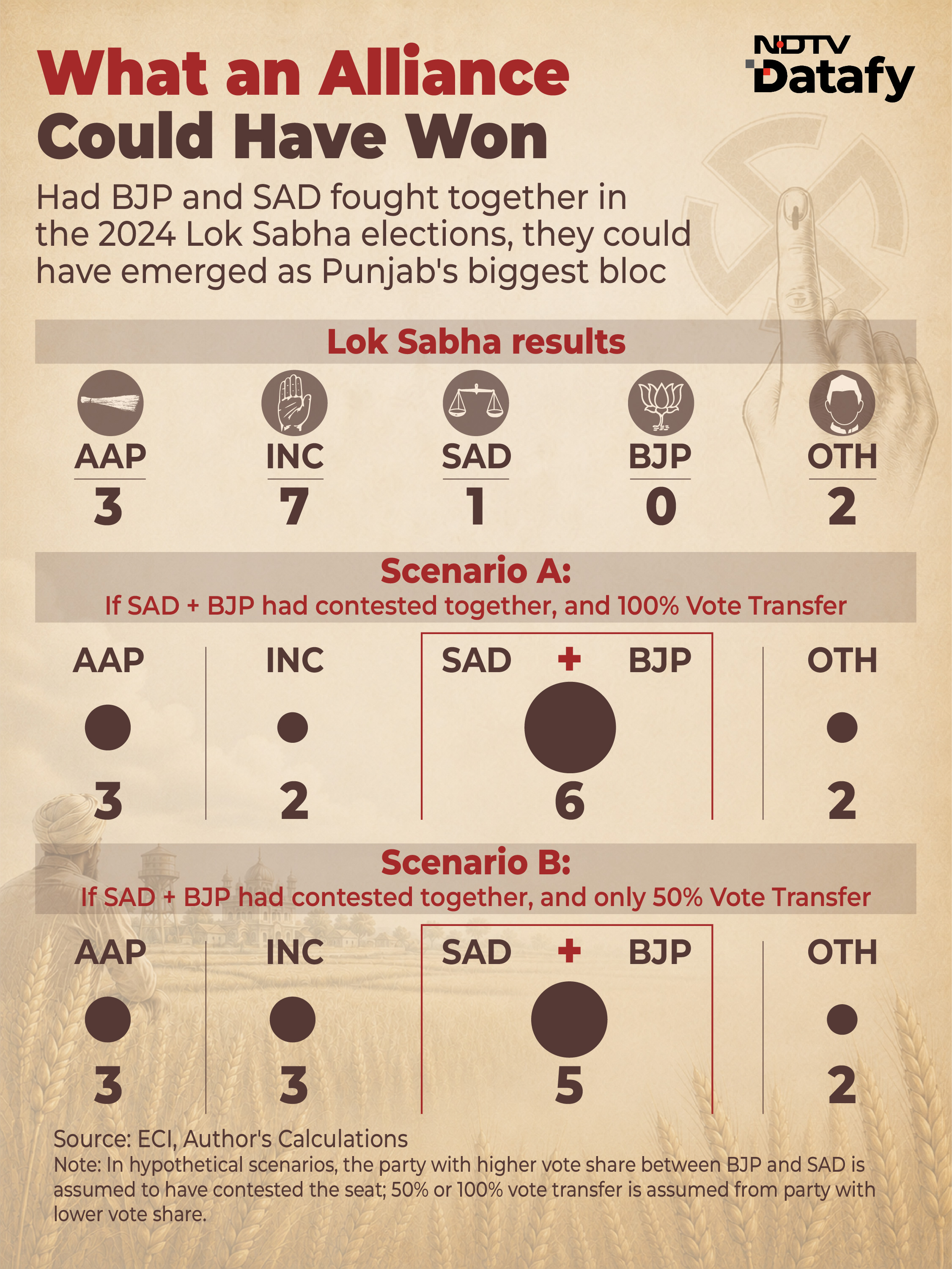
In the 2024 Lok Sabha elections, with a 100% vote transfer, the SAD-BJP combine would have won six out of 13 seats, a gain of five. They would have emerged as the single largest alliance, gaining largely at the cost of Congress. Even at just 50% vote transfer, the alliance would have won five seats against the one it actually won.
Is An Alliance Practical Now?
The 2020 split hurt the SAD far more than the BJP in vote share terms, in both state and national elections. The BJP's Hindu-consolidation strategy paid off in terms of vote share - even if it failed to turn into seat gains - as Punjab's Hindu population is a minority. Rejoining forces would have mathematically recaptured many lost seats, particularly in 2024, though AAP's continued strength, especially in 2022, means an alliance wouldn't have changed who governs the state.
The SAD, to be fair, is facing an existential crisis today. A section of party old-timers have expressed a lack of confidence in Sukhbir Badal's leadership, claiming he is no match to his late father, Prakash Singh Badal. Led by Giani Harpreet Singh, the former Jathedar of the Akal Takht, the group says it aims to restore traditional Akali values under the banner of SAD (Sudhar Lehar). Amritpal Singh, the independent candidate who won from the Khadoor Sahib Lok Sabha constituency in Punjab, securing his seat while being in jail under the National Security Act, has formed Akali Dal (Waris Punjab De) and is eyeing the panthic vote base that's now disillusioned with the SAD.
On the other hand, the BJP, despite bringing ex-Chief Minister Amarinder Singh's party into the NDA fold, is still seen as a predominantly Hindu-favouring party. The mistrust caused by the farm bills - primarily Sikhs - has not faded.
While there is some discontent with the AAP government over the handling of floods, the non-resolution of farm issues, and the drug menace, the split in opposition vote has helped the party win bypolls even with a vote share of under 40%. To exploit anti-incumbency, the BJP and the SAD need to join hands, as separately, they might find it difficult to win.
However, a section in the BJP feels that the party is unlikely to benefit from the alliance as Sikh votes of the SAD may not transfer to the saffron party, while its Hindu votes would accrue to it. Also, amidst rising competition, there are now doubts about SAD's hold on Jat Sikh and Panthic votes. While the arithmetic adds up for an alliance, the chemistry doesn't make a very strong case yet.
(Amitabh Tiwari is a political strategist and commentator. In his earlier avatar, he was a corporate and investment banker)
Disclaimer: These are the personal opinions of the author
-
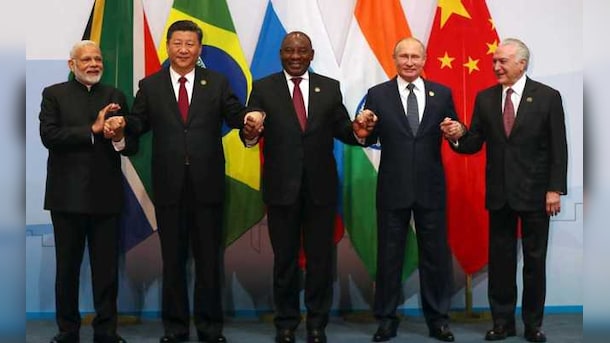
Opinion | India Faces A BRICS Challenge. Can It Find A Way Through?

The Delhi Summit is being held at a challenging time. Such circumstances have not been encountered since the BRICS Summits started in 2009 in Russia
-
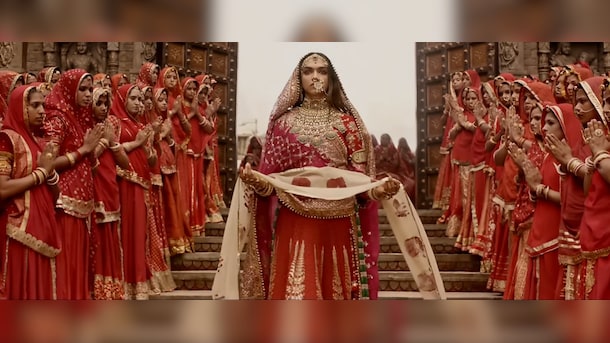
Opinion | Why The Jauhar Scene In Padmaavat Needs To Be Seen For What It Does
The practice of 'jauhar' was certainly abolished long ago. But that does not mean that it should be romanticised or glorified in mass culture.
-
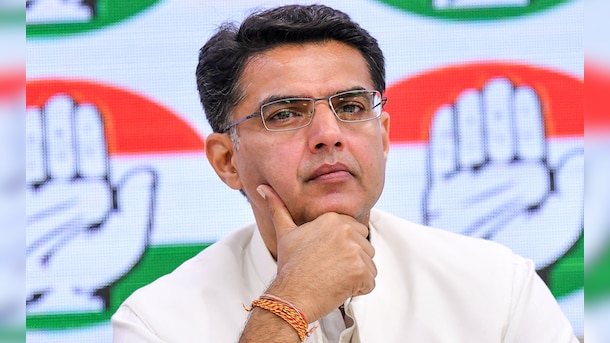
Opinion | Sachin Pilot's Long Wait Is Over. Can Congress Finally Use Him?
The grand old party is now betting that the man who turned 'waiting' into a virtue can deliver Punjab
-
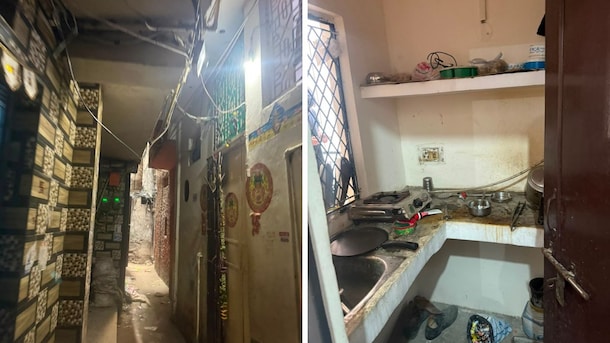
Ground Report | Sunlight Is A Luxury In Delhi Students' Hub Where Building Collapse Killed 7
The civic infrastructure in Delhi's Satya Niketan hasn't caught up with the pace of development and appears to be crumbling under the weight of the influx of tenants and the greed of landlords.
-
Mayawati's Tough Love: Nephew Akash Anand Benched Again. What It Means For BSP
Akash Anand, the 31-year-old foreign-educated nephew of BSP boss Mayawati, finds himself out of favour, for at least the third time in three years, with the latest turn coming in Lucknow on September 3.
-
Blog | Why You Should Care Whether Schrodinger's Cat Is Dead Or Alive
Imagine going on a romantic Alpine getaway and returning with the equation that runs the modern world. The only snag: nobody can quite agree on what it says about reality.
-
Promote, Punish, Repeat: Decoding Mayawati's Akash Anand Puzzle
The development in the BSP is unprecedented. Never before has any Indian party elevated a family member and dumped him or her unceremoniously thrice within a span of three years.
-
Opinion | Nepal Needs $5 Billion To Rebuild. World's Climate Fund Doesn't Have Even 10% Of It
The fund caps support at USD 20 million per project; Nepal needs two hundred times that. And the board is not scheduled to sit until December.
-
Opinion | The Rise Of Indians In US Is Making Some Americans Very, Very Angry
A new report released yesterday shows how Indians are now among the biggest targets of racist attacks in America.
-
Opinion | China, Pak, A Stalled India Visit: How Signals From Bangladesh Are Getting Louder
A fighter jet deal with China, interest in Pakistan's military bloc, and a 'stalled' visit to India - all in a month. Bangladesh's drift is getting harder to ignore.