Ghana: A global graveyard for dead computers
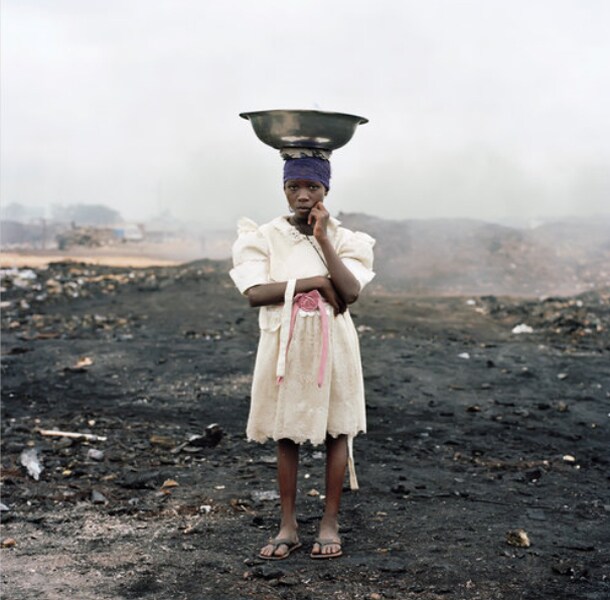
In August 15 edition of New York Times Magazine, the photographer Pieter Hugo documented the garbage dumps in Ghana, where computers are burned and ripped apart for their rich minerals. Most of his work focused on a slum called Agbogbloshie, which he says is referred to by the locals as Sodom and Gomorrah. The work explains the plight of those left to sift through the landscape of the dumps
-
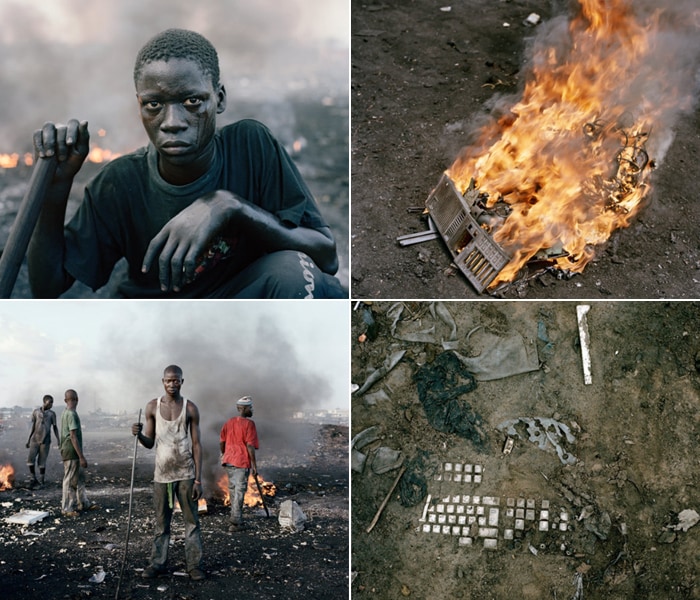 Ghana: A global graveyard for dead computersIn August 15 edition of New York Times Magazine, the photographer Pieter Hugo documented the garbage dumps in Ghana, where computers are burned and ripped apart for their rich minerals.
Most of his work focused on a slum called Agbogbloshie, which he says is referred to by the locals as Sodom and Gomorrah. The work explains the plight of those left to sift through the landscape of the dumps -
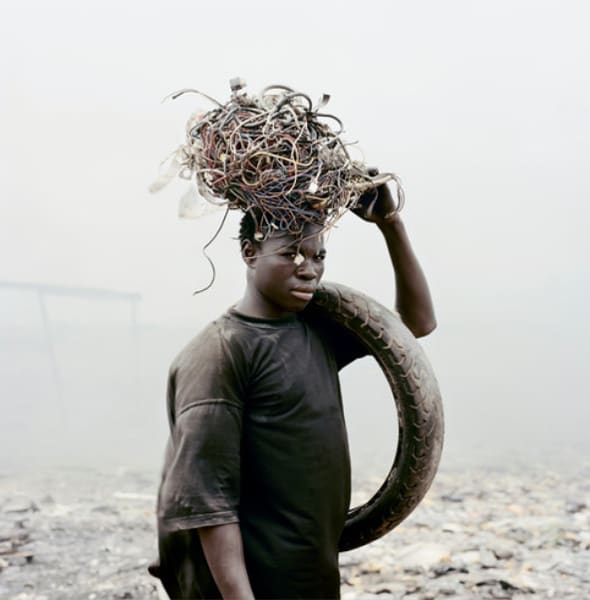
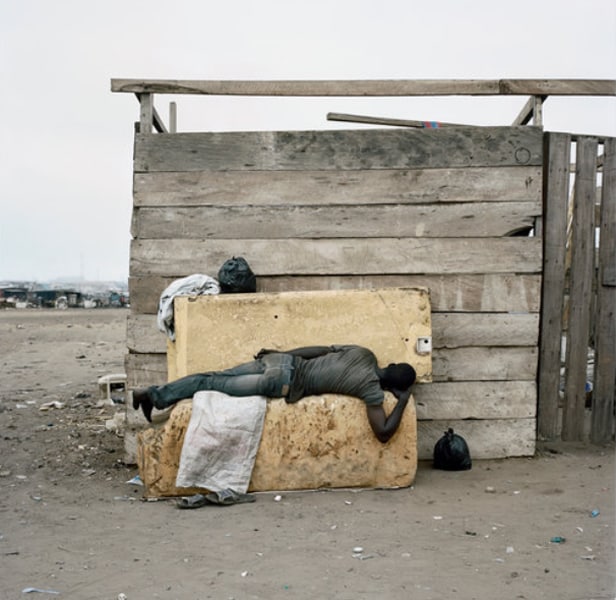
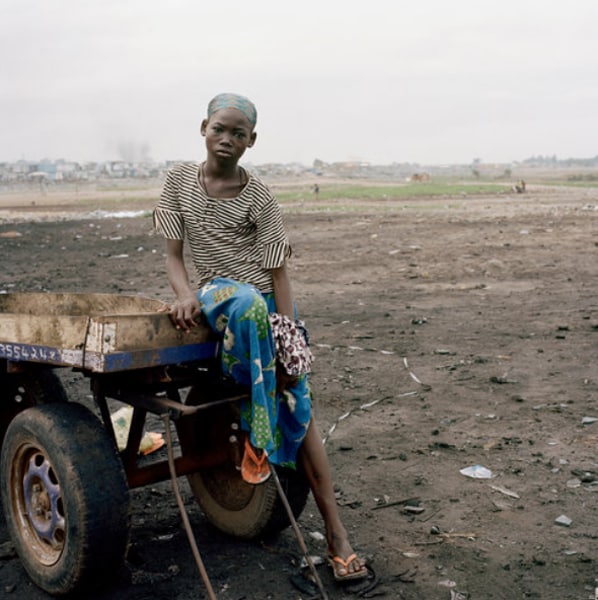
 Ghana: A global graveyard for dead computersIn Agbogbloshie, a slum in Accra, the ?capital of Ghana, adults and children tear away at computers from abroad to get at the precious metals inside. Left, David Akore, 18, and other foragers. (Credit: Pieter Hugo for The New York Times)
 -
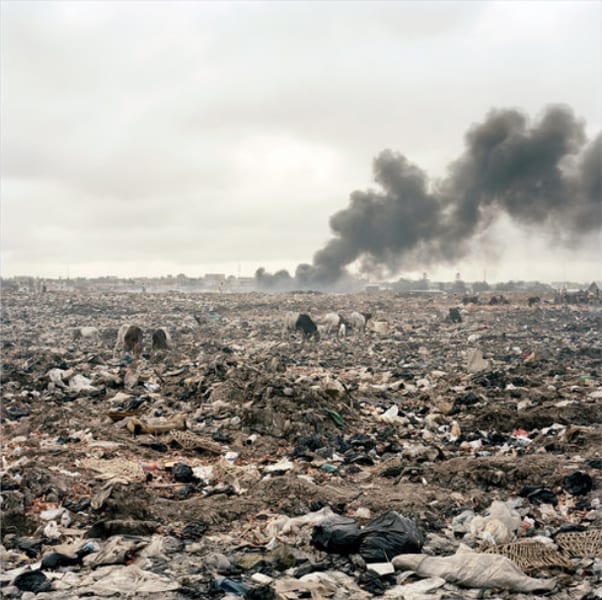
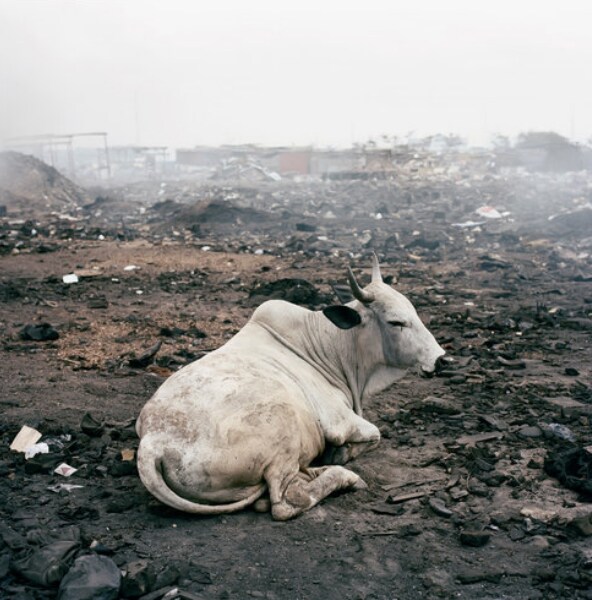
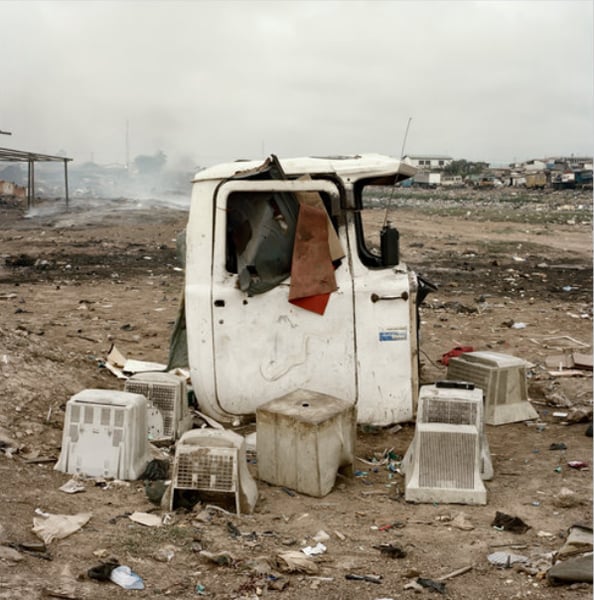
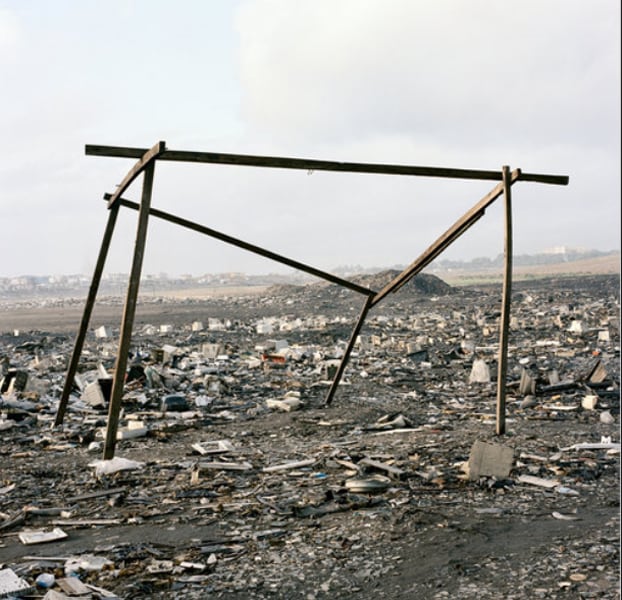
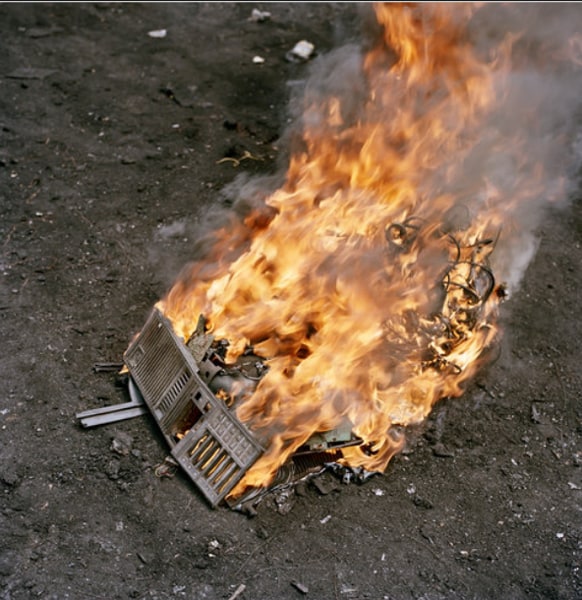 Ghana: A global graveyard for dead computersAt the dump, the machines are dismantled and often burned to extract metals for resale. The equipment in this digital cemetery come mainly from Europe and the United States, sometimes as secondhand donations meant to reduce the "digital divide'' - the disparity in computer access between poor nations and rich. (Photo credit: Pieter Hugo for The New York Times)
 -
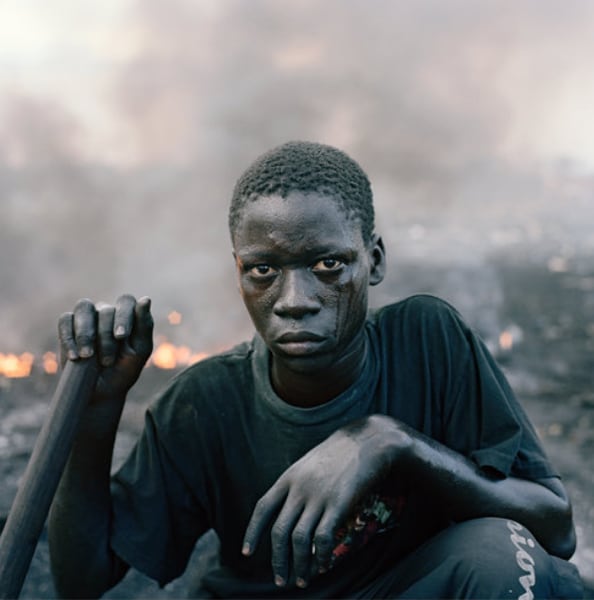
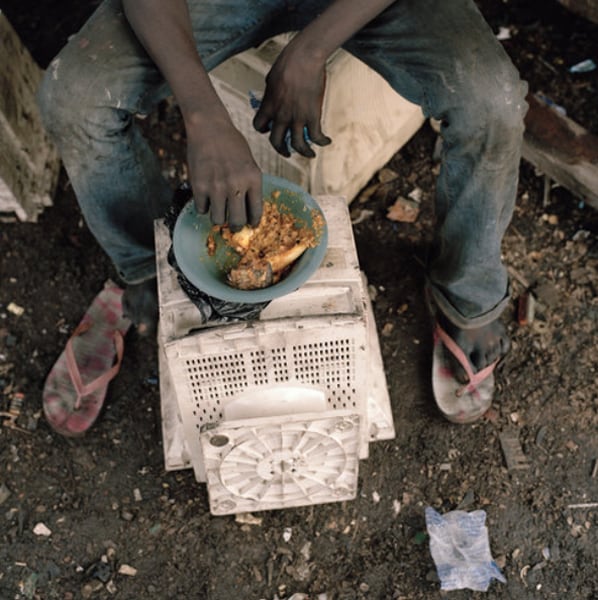
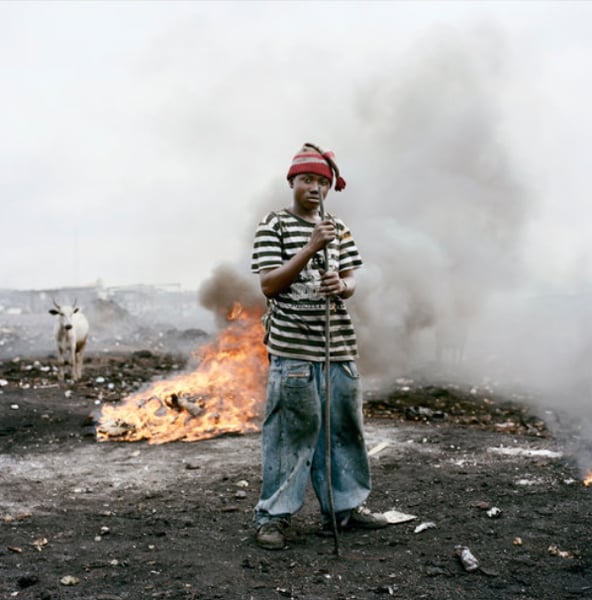
 Ghana: A global graveyard for dead computersPrices in Agbogbloshie are about four times below the international market price, but for the scavengers of the dump, the income is incentive enough. Left, Yaw Francis, 17. (Photo credit: Pieter Hugo for The New York Times)
 -
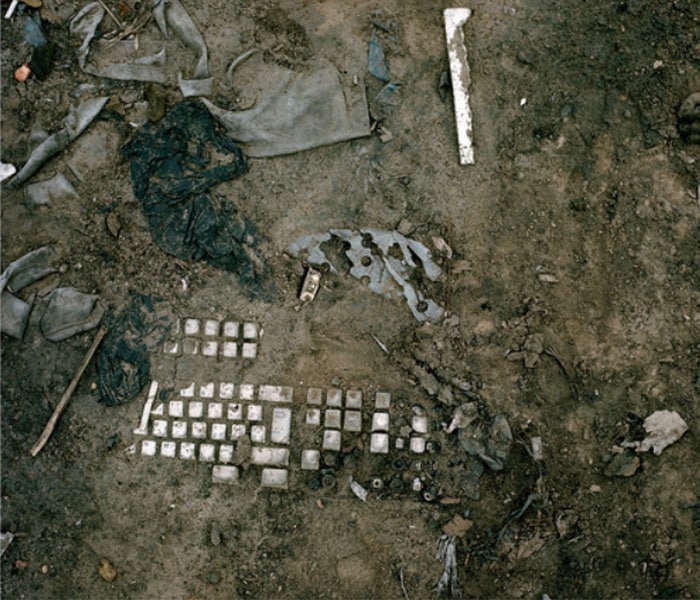
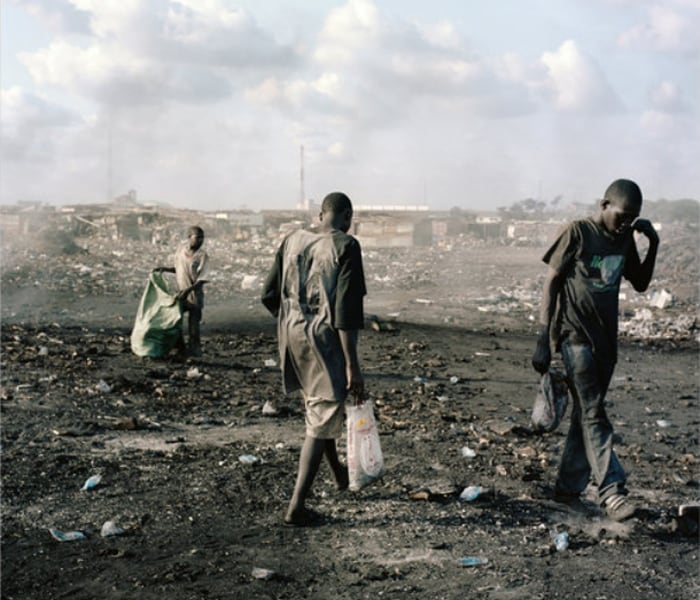 Ghana: A global graveyard for dead computersThe Basel Convention on the Control of Transboundary Movements of Hazardous Wastes and Their Disposal, agreed to in 1989 and now adopted by a majority of nations, was meant to stop the dumping of toxic waste in poor countries. But rules get complicated when the waste arrives as a gift. (Photo credit: Pieter Hugo for The New York Times)