



Solar Storm
- All
- News
- Videos
- Web Stories
-

NASA’s Carruthers Observatory Begins Mission to Study Earth’s Hydrogen Halo
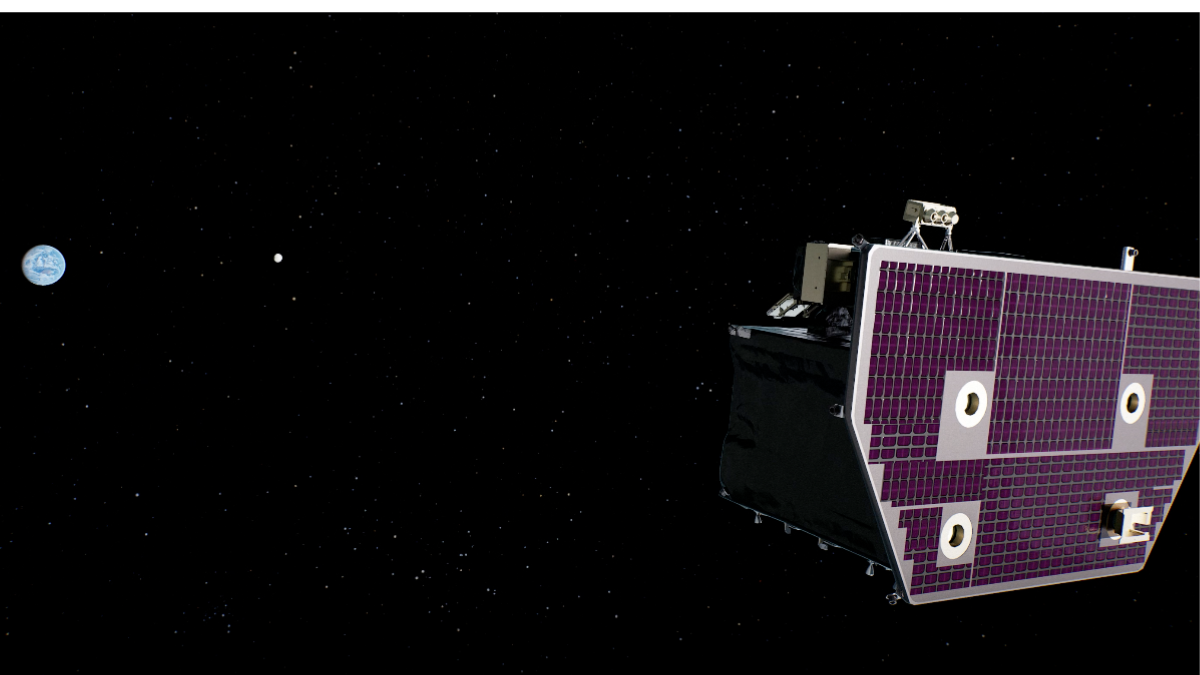
NASA’s Carruthers Observatory has begun its two-year science mission to study Earth’s hydrogen-rich exosphere from a halo orbit at Sun–Earth L1. Equipped with ultraviolet cameras, the small satellite will continuously image the faint geocorona, tracking how solar storms and fast solar wind streams cause the upper atmosphere to expand, contrac...
-
NASA’s ESCAPADE Mission to Study Space Weather Between Earth and Mars
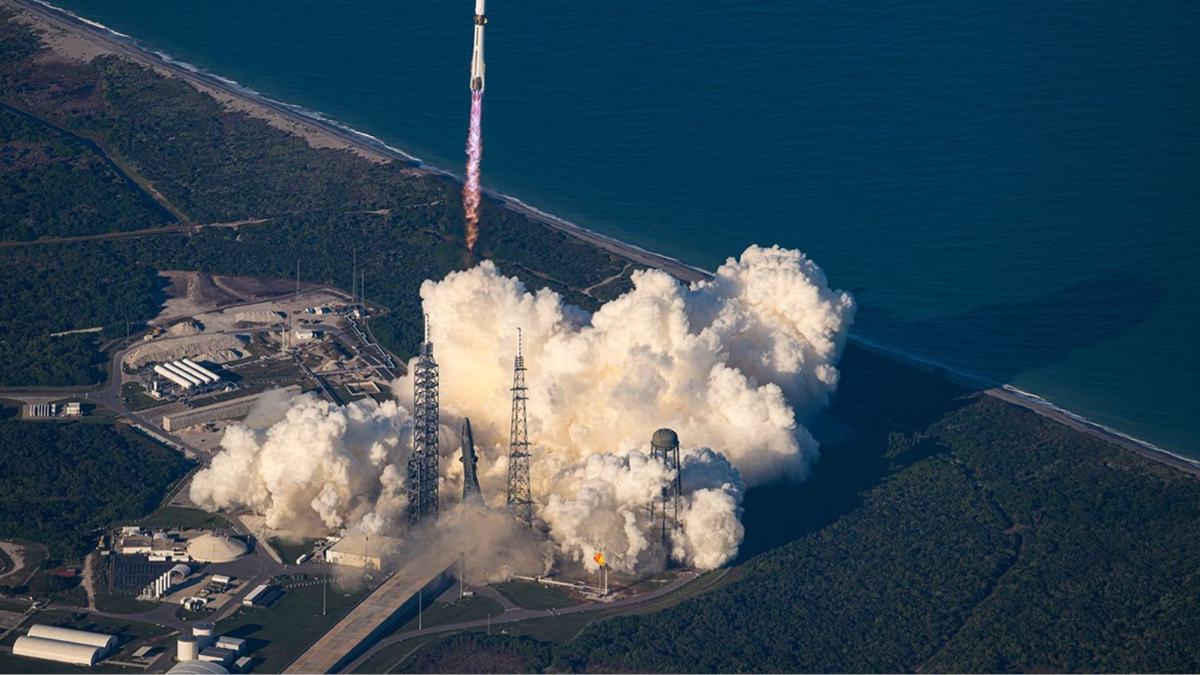
NASA’s ESCAPADE mission will send two identical orbiters to Mars to study how solar wind and space weather strip away the planet’s atmosphere. Launching in 2025 and arriving in 2027, the twin spacecraft will measure solar wind conditions and Mars’s atmospheric response simultaneously, helping scientists understand how the Red Planet lost its ...
-
Study Reveals Why Some Auroras Have Breathtaking Wave Patterns
Increased solar wind and coronal mass ejections can lead to more intense and dynamic auroras.
-
Angry Sun Puts India At Risk, ISRO Warns Of Strong Radio Blackout
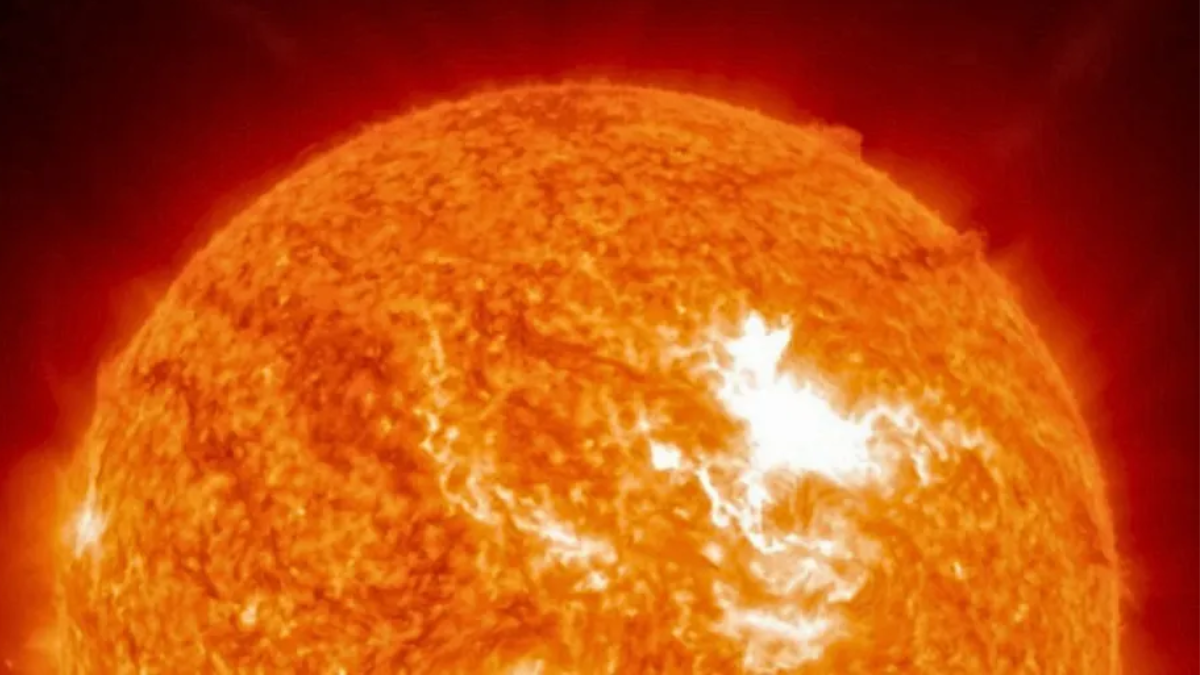
The Sun is angry again, unleashing a series of powerful solar flares that have triggered warnings from space agencies across the world, including India's ISRO, which is closely monitoring the situation for potential strong radio blackout conditions.
-
Scientists Track Rapidly Growing Sunspot Behind Intense Solar Storms Toward Earth
A rapidly expanding sunspot has transformed the Sun into a solar flare powerhouse, producing more than 20 mid-level flares and several extreme eruptions in just one day. As the region now faces Earth, scientists are tracking potential radio blackouts, satellite interference, and dazzling auroras caused by incoming solar storms.
-
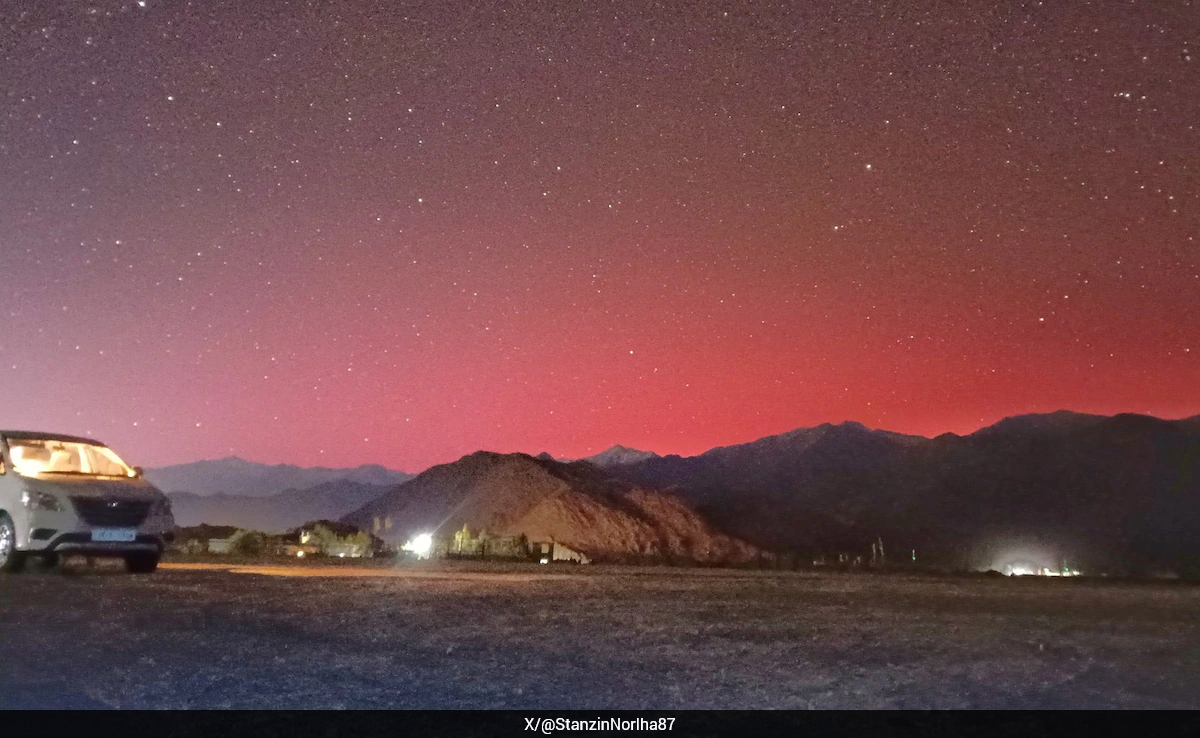
Rare Blood-Red Aurora Lights Up Ladakh Sky After Powerful Solar Storm Strikes Earth
A powerful geomagnetic storm triggered by a fast coronal mass ejection from the Sun produced rare red aurora over Hanle, Ladakh, on January 1920, captured by the Indian Astronomical Observatory.
-
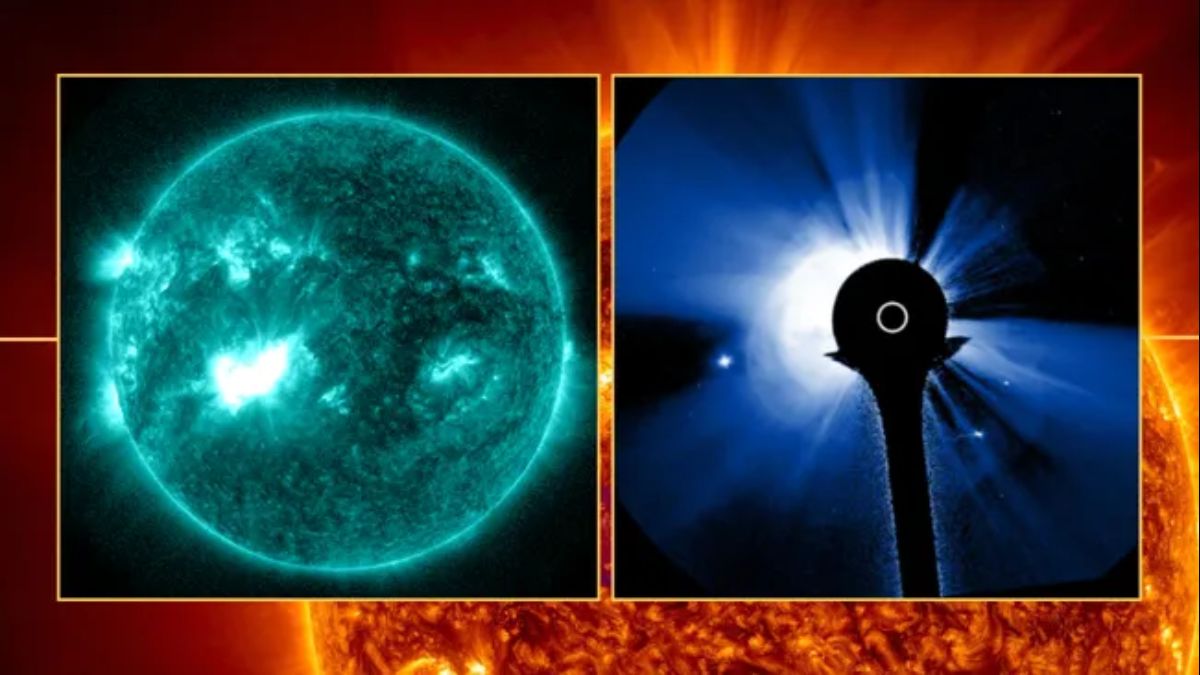
Powerful X-Class Solar Flare Sends CME Toward Earth, Storms Possible
A powerful X1.9 solar flare erupted on January 18, launching a fast coronal mass ejection toward Earth. Space weather agencies warn of strong geomagnetic storms that could disrupt satellites, GPS and radio communications, while also producing vivid auroras visible well beyond the polar regions.
-
Solar Orbiter Watches Sun's Most Hyperactive Region For Record 94 Days: "Milestone In Solar Physics"
The region was monitored from its birth on the far side of the Sun on April 16, 2024, until its decay after July 18, 2024.
-
ISRO's Aditya-L1 Study Reveals How October 2024 Solar Storm Affected Earth's Magnetic Field
ISRO scientists and research students studied the solar storm using observations from India's Aditya-L1 mission.
-
2026 Could Be the Best Year for Northern Lights; Why Post-Solar Maximum Storms Are Set to Surge
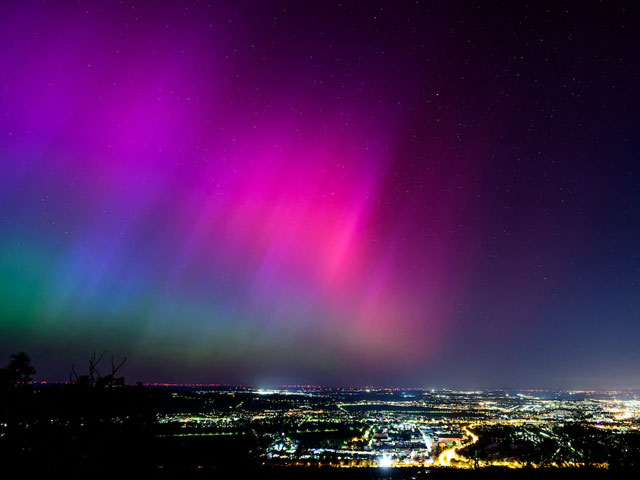
The end of 2025 saw bright auroras over northern skies following a strong solar flare. In October 2024, NASA noted that the Sun had entered its solar maximum phase. Experts predicted that the most frequent and intense Northern Lights would likely occur throughout 2026. Even though solar activity has technically begun its gradual decline since the 2...






-
NASA’s Carruthers Observatory Begins Mission to Study Earth’s Hydrogen Halo
NASA’s Carruthers Observatory has begun its two-year science mission to study Earth’s hydrogen-rich exosphere from a halo orbit at Sun–Earth L1. Equipped with ultraviolet cameras, the small satellite will continuously image the faint geocorona, tracking how solar storms and fast solar wind streams cause the upper atmosphere to expand, contrac...
-
NASA’s ESCAPADE Mission to Study Space Weather Between Earth and Mars
NASA’s ESCAPADE mission will send two identical orbiters to Mars to study how solar wind and space weather strip away the planet’s atmosphere. Launching in 2025 and arriving in 2027, the twin spacecraft will measure solar wind conditions and Mars’s atmospheric response simultaneously, helping scientists understand how the Red Planet lost its ...
-
Study Reveals Why Some Auroras Have Breathtaking Wave Patterns
Increased solar wind and coronal mass ejections can lead to more intense and dynamic auroras.
-
Angry Sun Puts India At Risk, ISRO Warns Of Strong Radio Blackout
The Sun is angry again, unleashing a series of powerful solar flares that have triggered warnings from space agencies across the world, including India's ISRO, which is closely monitoring the situation for potential strong radio blackout conditions.
-
Scientists Track Rapidly Growing Sunspot Behind Intense Solar Storms Toward Earth
A rapidly expanding sunspot has transformed the Sun into a solar flare powerhouse, producing more than 20 mid-level flares and several extreme eruptions in just one day. As the region now faces Earth, scientists are tracking potential radio blackouts, satellite interference, and dazzling auroras caused by incoming solar storms.
-
Rare Blood-Red Aurora Lights Up Ladakh Sky After Powerful Solar Storm Strikes Earth
A powerful geomagnetic storm triggered by a fast coronal mass ejection from the Sun produced rare red aurora over Hanle, Ladakh, on January 1920, captured by the Indian Astronomical Observatory.
-
Powerful X-Class Solar Flare Sends CME Toward Earth, Storms Possible
A powerful X1.9 solar flare erupted on January 18, launching a fast coronal mass ejection toward Earth. Space weather agencies warn of strong geomagnetic storms that could disrupt satellites, GPS and radio communications, while also producing vivid auroras visible well beyond the polar regions.
-
Solar Orbiter Watches Sun's Most Hyperactive Region For Record 94 Days: "Milestone In Solar Physics"
The region was monitored from its birth on the far side of the Sun on April 16, 2024, until its decay after July 18, 2024.
-
ISRO's Aditya-L1 Study Reveals How October 2024 Solar Storm Affected Earth's Magnetic Field
ISRO scientists and research students studied the solar storm using observations from India's Aditya-L1 mission.
-
2026 Could Be the Best Year for Northern Lights; Why Post-Solar Maximum Storms Are Set to Surge
The end of 2025 saw bright auroras over northern skies following a strong solar flare. In October 2024, NASA noted that the Sun had entered its solar maximum phase. Experts predicted that the most frequent and intense Northern Lights would likely occur throughout 2026. Even though solar activity has technically begun its gradual decline since the 2...

