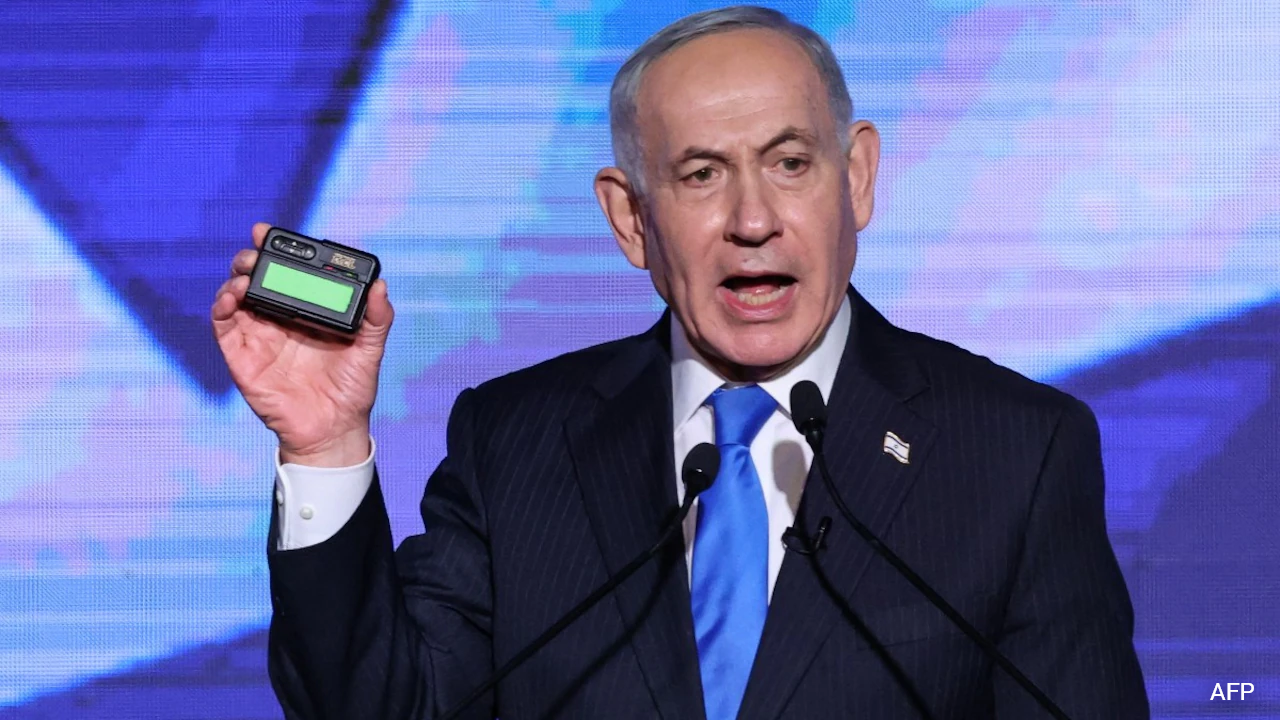
Israeli Prime Minister Benjamin Netanyahu brought a pager with him to the United Nations General Assembly, showed it to the audience in front of him, and told them Tel Aviv has been fighting wars on multiple fronts for years now. He dismissed allegations of Israeli genocide in Gaza as "the biggest lie of the century."
"Do you know of any other country the size of New Jersey that can fight for three years on seven fronts?" he asked.
Brandishing the device like those that Israeli intelligence reportedly engineered with explosives before having them shipped to operatives of the Iran-backed Lebanese militant group Hezbollah, Netanyahu said, "You remember the beepers? Well, I can tell you this, Hezbollah certainly remembers them."
Coincidentally, the reference came almost exactly two years after the thousands of pager and walkie-talkie explosions left Hezbollah shocked, killing 40 and injuring more than 3000 others.
The 2024 Pager Attack
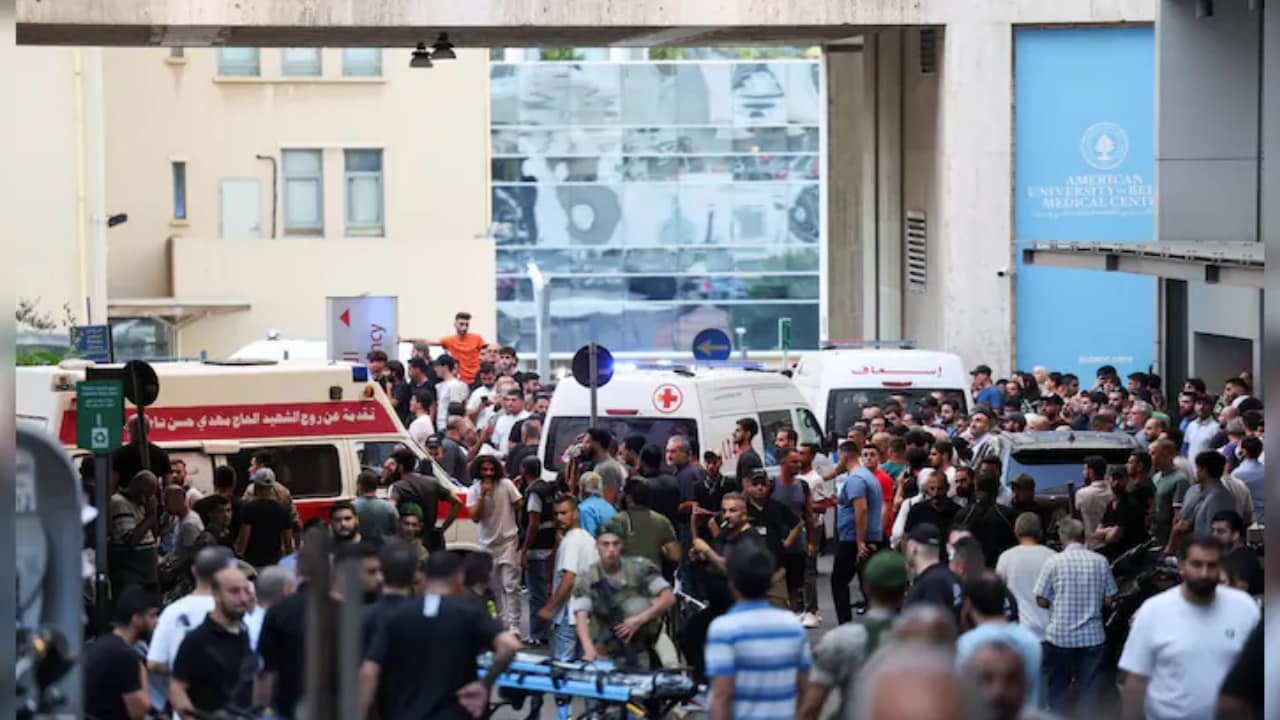
On September 17 and 18, 2024, thousands of pagers and hundreds of hand held walkie-talkies exploded in multiple locations across Lebanon, paralysing Hezbollah operations as many reported severe injuries. More than 3,000 members of the Iran-backed militant group in Lebanon were seriously wounded. Many lost their ears, eyesight, and fingers, and several suffered much more severe wounds. Hezbollah blamed Israel for the attack, and the latter neither accepted nor denied it for weeks.
In November the same year, Netanyahu confirmed that he had given a green signal to the operation. It was this reference that the Israeli PM gave at the UNGA.
As the days passed, the details about the deadly plan began to surface. Israel's spy intelligence agency, Mossad, planted explosives inside pagers that were ordered by Hezbollah months before the blasts.
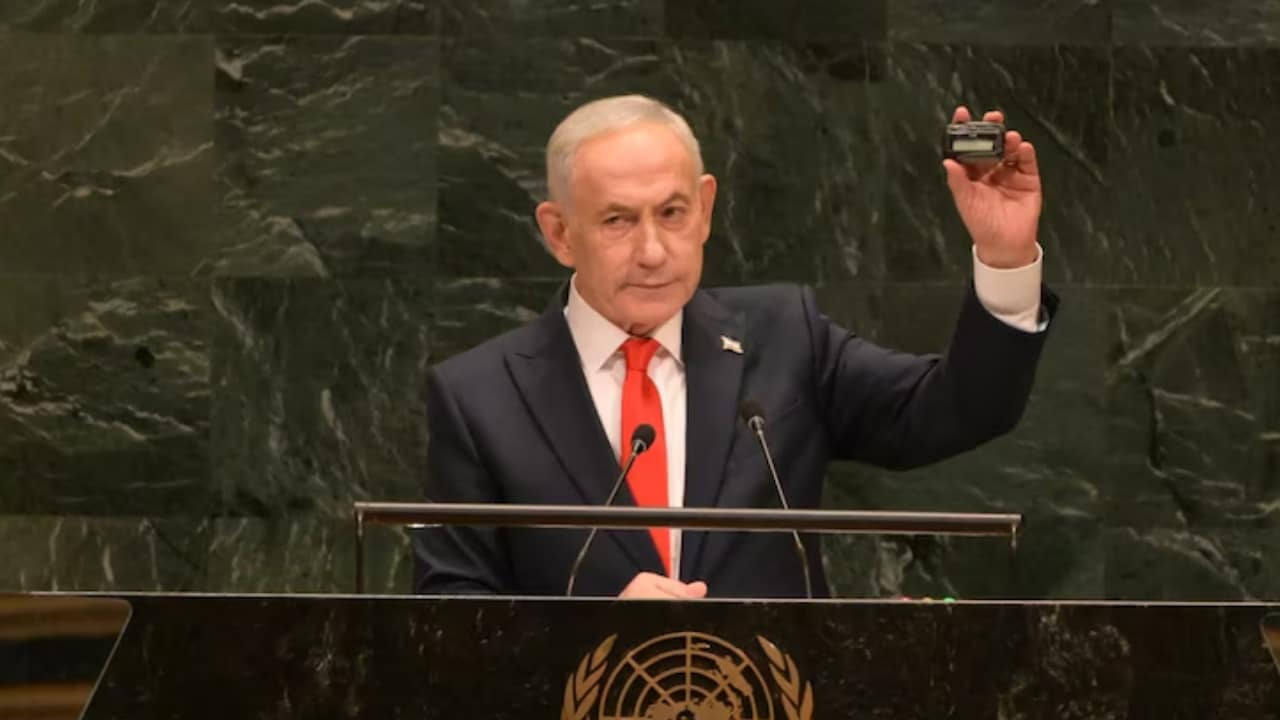
Israeli Prime Minister Benjamin Netanyahu showing a pager during his speech at UN General Assembly Photo Credit: AFP
Two of the then-retired senior Mossad agents, who were among the key members behind the secret operation, later told CBS News that the work on weaponising the walkie-talkies began over a decade before Israel used them.
"The walkie-talkie was a weapon, just like a bullet or a missile or a mortar," the agent had told CBS News.
How The Attacks Unfolded
Israel had begun its operation against Hamas in October 2023 after the group targeted Tel Aviv in a surprise attack and abducted over 1,000 persons. Hamas got support from Hezbollah, and Israel had to take care of another front at the Lebanese border while the war with Hamas raged along the Gaza Strip.
The first round of blasts took place on September 17, when the small messaging devices beeped. According to a BBC report, witnesses saw smoke coming out of people's pockets before the explosions began.
A New York Times report, citing US officials, stated that messages the pagers received before the detonation appeared to have come from Hezbollah's leadership. It instead triggered the devices, and the explosions reportedly continued for around an hour.
Read More: From Pagers To Walkie-Talkies: Russians Seek Offline Ways To Communicate Amid Internet Blackout
A large number of people flocked to the emergency departments of Lebanese hospitals as confusion and chaos continued to spread. Before things could have settled, hundreds of walkie talkies and small phones purchased by Hezbollah months back exploded the next day. Twenty people died and several others were injured, the Lebanese Health Ministry then said.
About The Devices
The devices were weaponised long before the attack took place, with Mossad spearheading both detonation plans -- pagers and walkie-talkies. It is known that Hezbollah does a thorough check before purchasing products, and Mossad prepared a complete backstory of the new product. They also created fake online stores, pages, and posts to bypass Hezbollah's scrutiny.
A Reuters report mentioned that when the militant group received the devices in February 2024, they checked them for explosives by passing them through airport security. Nothing was detected, Reuters added, citing two people known to the matter.
The pagers, small in size and with batteries inside them, concealed a small but strong plastic explosive, something that was not traceable through X-ray as well.
The pagers had inside them a thin, square sheet with six grams of white pentaerythritol tetranitrate (PETN) plastic explosive, which was fitted between two rectangular battery cells, a Reuters report then mentioned, citing a Lebanese source and photos. For months, the Hezbollah members used it before the devices exploded like fireworks after a beep.
And now, brandishing a similar device at UNGA, Netanyahu has made it clear his intent to continue war against Hamas, Hezbollah, or Iran is concerned.
Track Latest News Live on NDTV.com and get news updates from India and around the world


