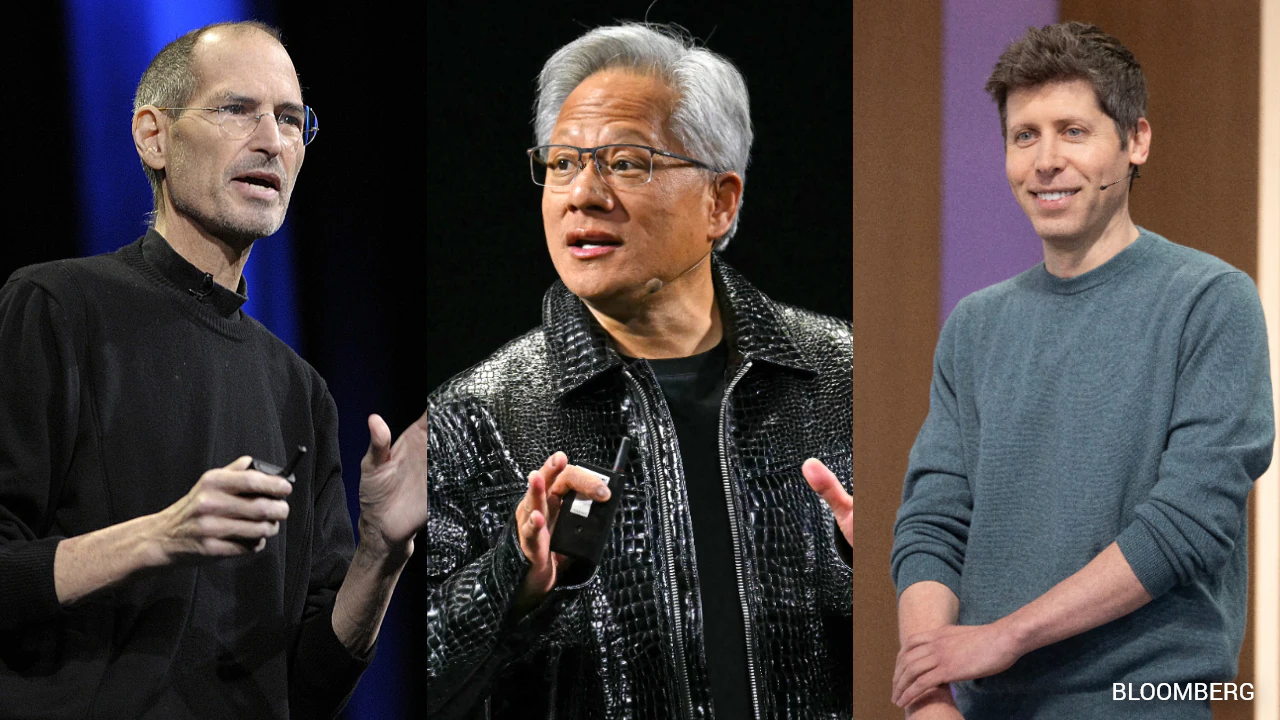
Jensen Huang is back at the helm of Nvidia, less than two weeks after he resigned as CEO, following revelations of extramarital affairs with one of his direct reports and a suspected Chinese spy.
Huang left the company on November 12. On Monday, Nvidia's board unanimously reinstated him, following discussions with Huang and pressure from US President Donald Trump. The 11-day turnaround makes it one of the fastest high-profile CEO comebacks.
Still, that kind of boomerang isn't unheard of. Recent corporate history is littered with founder-CEOs who were reinstated after directors and investors decided the business couldn't do without them. Some returned after a successor struggled; others after the board faced external pressure.
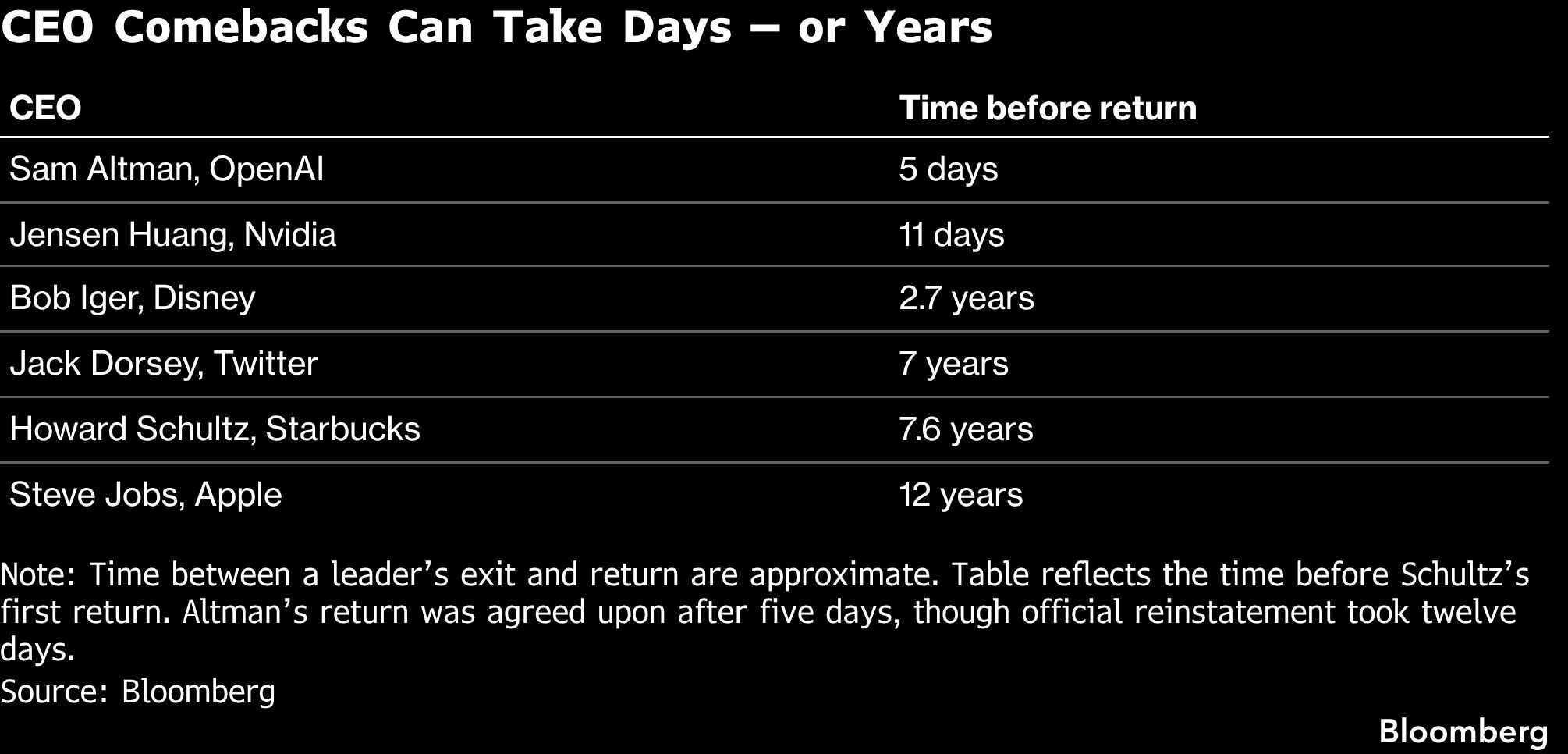
Photo Credit: Bloomberg
Boards sometimes conclude that a former leader is a safer bet than an outside candidate or planned internal successor. A returning founder can bring institutional knowledge, relationships with employees and investors and a degree of authority that a newly appointed CEO may struggle to replicate.
Here are five noteworthy precedents:
Sam Altman, OpenAI
OpenAI's board abruptly fired Altman in 2023, citing concerns about his candor in communications with the board. The decision prompted an employee revolt: More than 700 employees threatened to leave for Microsoft unless Altman was reinstated. OpenAI announced an agreement in principle for his return less than a week later, along with a new board. The episode demonstrated how employees, investors and commercial partners can exert pressure on a board's decision to remove a founder.
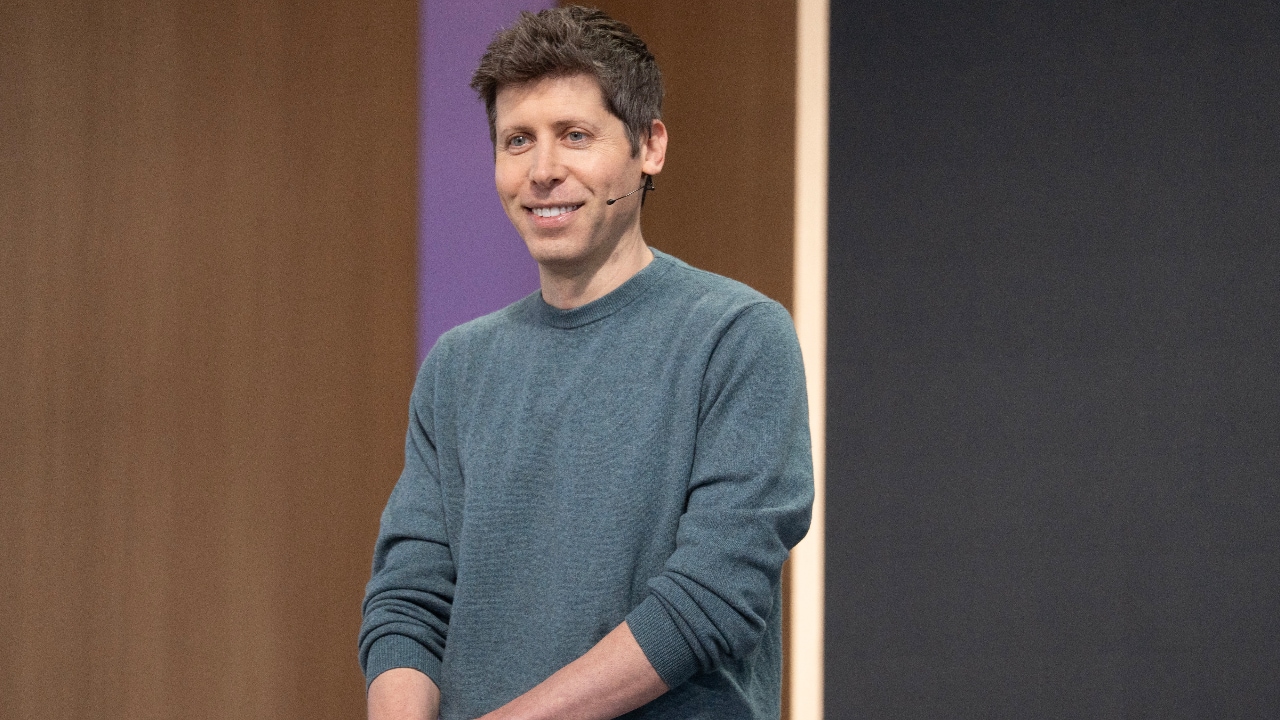
Photo Credit: Bloomberg
Bob Iger, Disney
Iger stepped down as Disney CEO in 2020 after 15 years in the role, handing the position to his handpicked successor, Bob Chapek. In 2022, Disney's board abruptly removed Chapek and brought Iger back, citing the need for leadership during a difficult period of industry transformation. The decision was a striking reversal of a succession plan that Iger himself had orchestrated.
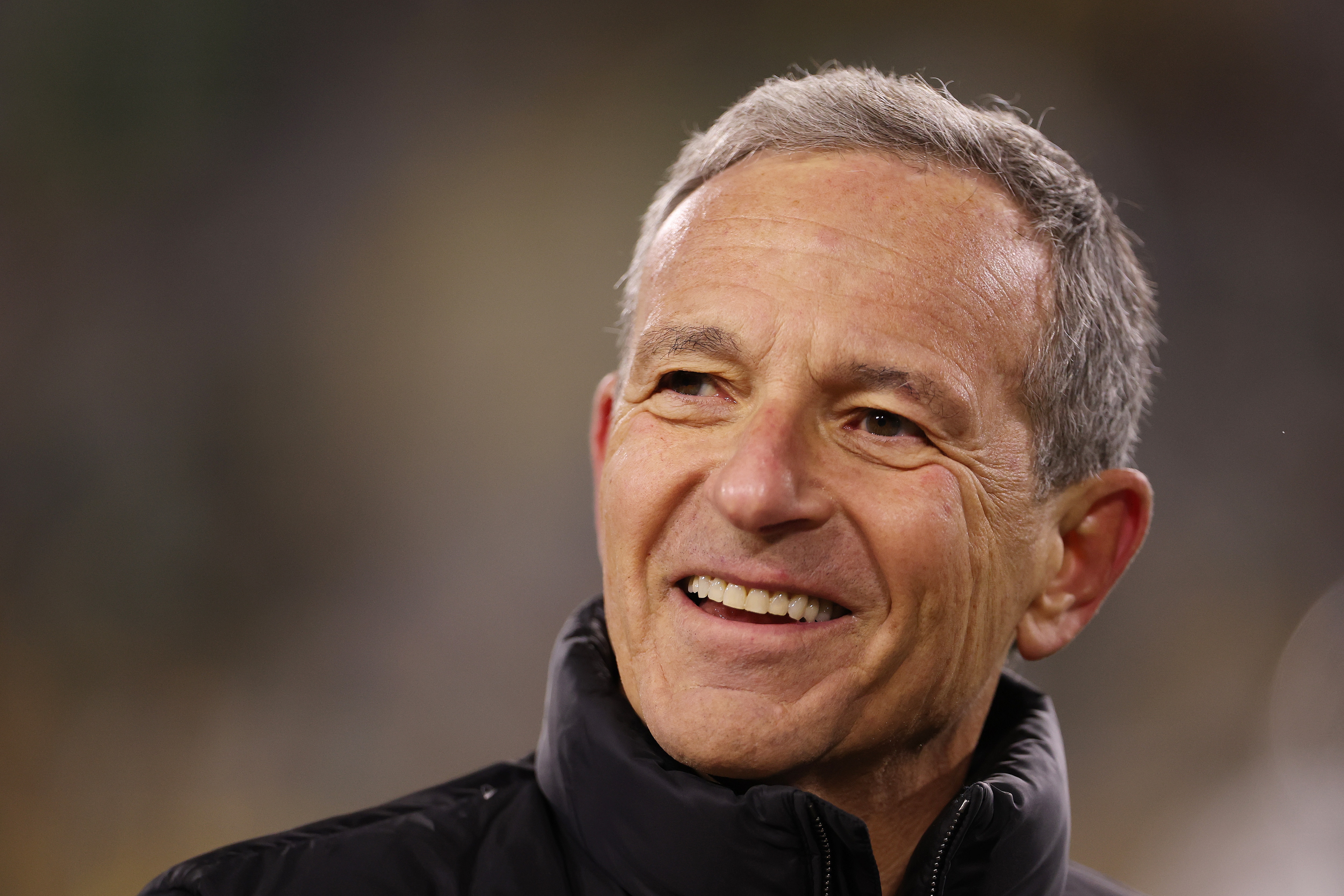
Photo Credit: Bloomberg
Howard Schultz, Starbucks
Schultz stepped down as CEO in 2000, although he remained chairman. He returned as CEO in 2008 amid declining sales, and stayed until 2017. He returned yet again as interim CEO in 2022, making him a prominent example of a founder repeatedly reclaiming the top job.
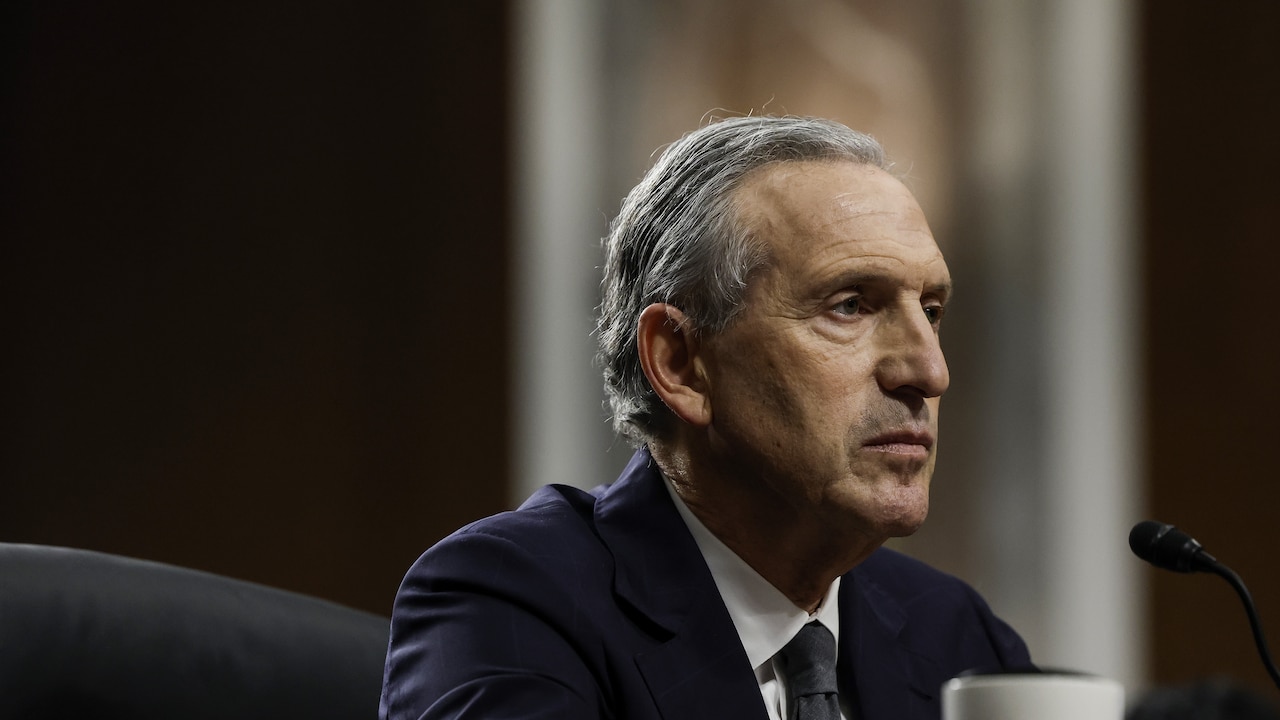
Photo Credit: Bloomberg
Jack Dorsey, Twitter
Dorsey was pushed out as Twitter CEO in October 2008 amid concerns about his management. He remained chairman. Dorsey returned as CEO in 2015 while also running the payments company Square. His return is an example of a board turning back to a founder who had been sidelined but never entirely left the company's orbit.
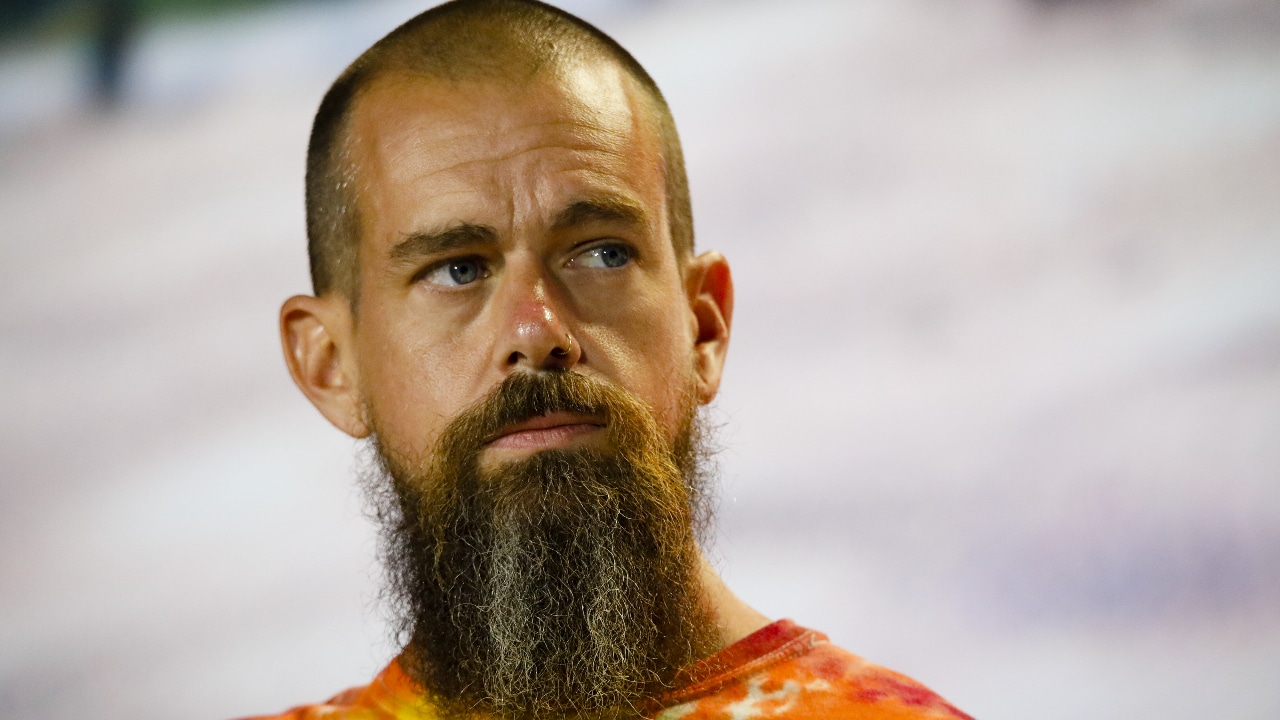
Photo Credit: Bloomberg
Steve Jobs, Apple
Jobs was forced out of Apple in 1985 after a power struggle with then-CEO John Sculley. Jobs rejoined Apple in 1996 when it acquired NeXT, a company he founded, and was named interim CEO in 1997 and permanent CEO in 2000. His return is arguably the most famous corporate comeback in American business history.
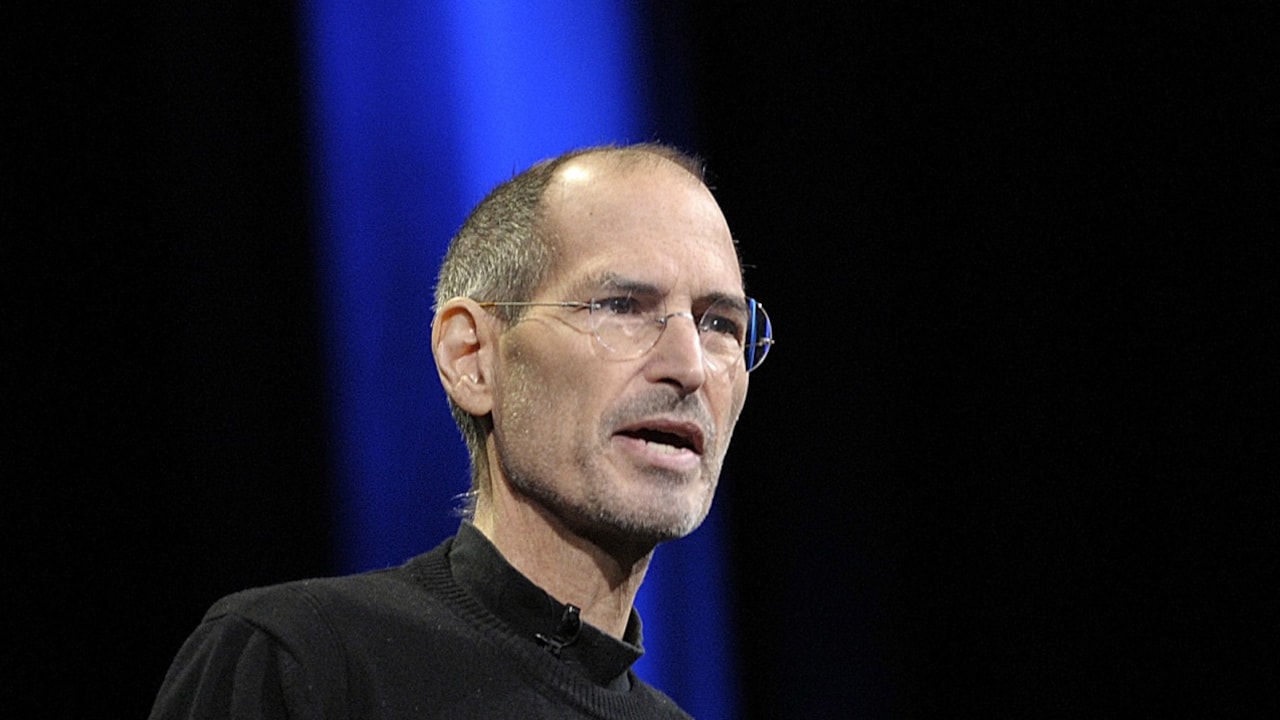
Photo Credit: Bloomberg
Disney's Iger and OpenAI's Altman are particularly relevant because their returns followed boards reversing decisions about their successors. Huang's reinstatement similarly reverses a major leadership decision.
Huang's case is distinctive because the US government played a direct role in the board's deliberations.
"I can't think of a single example where a US president or somebody in the administration came forward and said we want a particular person to take over a company," said Michael Useem, emeritus professor of management at the University of Pennsylvania's Wharton School. "In this case, it's not a company that is partly owned by the US or in any way is beholden to the US. Strictly speaking, Donald Trump is a complete outsider on this, but nonetheless, he weighed in. So it's a unique one-off event."
But, Useem added, "One wonders, is this going to be precedent-setting? Such that as future board decisions are up for consideration [US government officials may] decide to weigh in on companies that are completely privately owned."
(Except for the headline, this story has not been edited by NDTV staff and is published from a syndicated feed.)
Track Latest News Live on NDTV.com and get news updates from India and around the world


